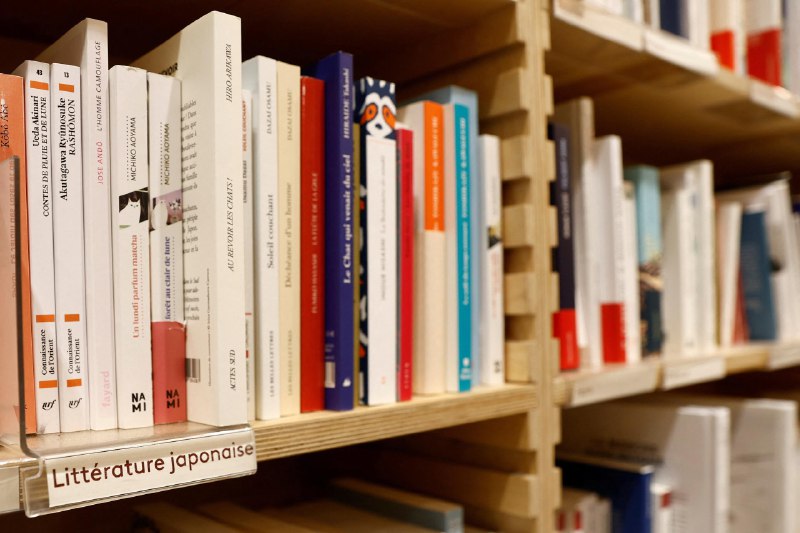
Japanese literature is experiencing a real surge on the global stage. In 2024, Asako Yuzuki’s novel Butter, translated into English, sold more than one million copies, with almost half of those sales in the UK. That is four times more than in Japan.
In the same year, 43% of the 40 most popular translated books in the UK were Japanese. Among them were Akira Otani’s Night of the Living Cat, which won the International Dagger Award, and Hiromi Kawakami’s Under the Eye of the Big Bird, which was shortlisted for the International Booker Prize.
The success is explained primarily by the quality of the translation. Modern technology speeds up the process, but only a professional can convey the atmosphere, rhythm and cultural nuances. Translators have become true co-authors: they bring texts to life, making them accessible and relatable to Western readers.
Japan actively supports the development of the art of translation: government and private organizations invest in training, competitions and programmes, building sustained interest in Japanese literature around the world.