Over the past twenty years, the Biodiversity Heritage Library (BHL) has become the world's largest open digital library for biodiversity. It now brings together more than 64 million pages digitised from the holdings of more than 680 museums, universities and scientific organisations around the world. The archive includes old botanical works, field notebooks, manuscripts, climate records, illustrations and expedition materials, all now available to researchers and anyone else who wants to use them.
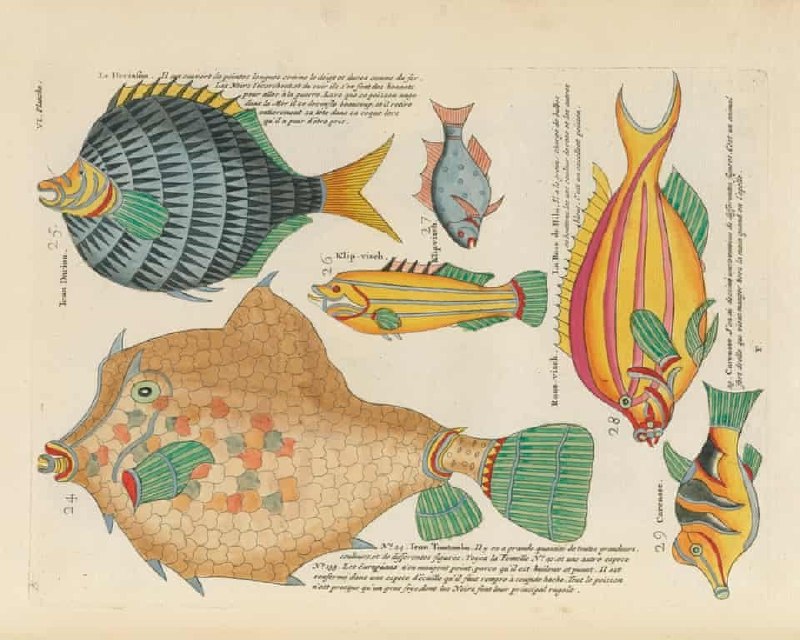
The digitisation of historical collections is playing an increasingly important role in the study of climate change and nature conservation. BHL's practical value has already been confirmed many times. Among the library's best-known materials are the medieval treatise Circa instans, the Antarctic expedition diary of botanist Joseph Hooker, the first colour edition on fish from the 18th century and the famous illustrations of the Tasmanian tiger. Such documents make it possible to study not only the history of science, but also changes in ecosystems over centuries.
Specialists believe the project's most interesting possibilities still lie ahead. The use of artificial intelligence could automatically extract information on species, geography, ecology and museum collections from millions of pages of historical documents. This would open up new opportunities to analyse ecosystem change, connect scientific databases and identify patterns that would take a person many years to find.