For decades, scientists have tried to understand whether marine animals feel pain or merely display simple reflexes. At first, the focus was on physiology: nociceptors — receptors that respond to injury — were found in fish. Then behavioral experiments followed: animals did not just pull away from a stimulus, but changed their behavior — they avoided dangerous places, stopped eating, and cared for the injured area. A key step came with experiments using painkillers: substances such as morphine or lidocaine reduced not only the reaction, but also the “motivational” changes in behavior. In octopuses, researchers went even further: they began to prefer places where they had received relief, suggesting a search for pain relief rather than a simple reflex.
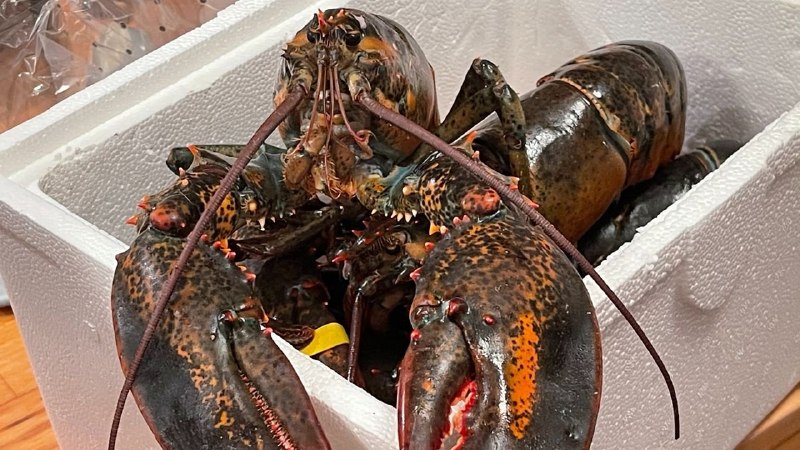
A new study confirmed these findings for crustaceans. Scientists examined how Norwegian lobsters reacted to a weak electric pulse. Without pain relief, the lobsters tried actively to escape. But if they were given aspirin or lidocaine in advance, the response was noticeably reduced. The drugs affected behavior. If this were only a mechanical reflex, that would not have happened. This suggests that lobsters involve more complex processes — the very ones associated with perceiving harm and, probably, with experiencing pain.
All this accumulated evidence has led to a reassessment of how such animals are treated: for example, in the United Kingdom, cephalopods and crustaceans were officially recognized as sentient beings creatures, and the EU extended research protection rules to them. In some countries, such as Norway, New Zealand and Austria, restrictions or outright bans on boiling crustaceans alive have already been introduced. In this issue, science acts not as a moralist, but as a source of facts that are hard to ignore.