Research has revealed a previously unknown “cleaning” system in the brain. The discovery began with observations of spiders, where glial channels were found to help remove waste from neurons. Scientists then showed that a similar mechanism exists in humans: glial cells collect and remove cellular debris.
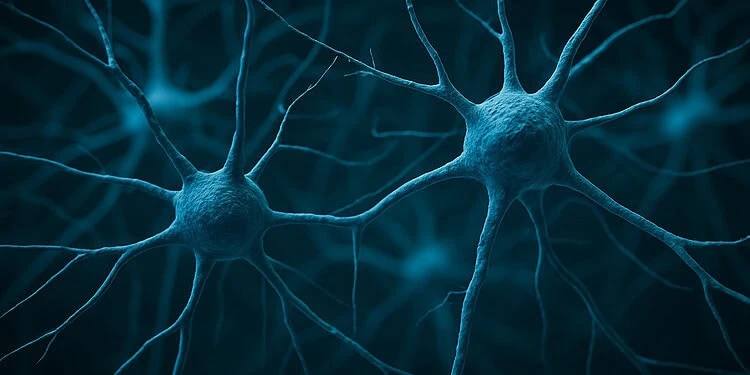
Until now, it was thought that waste removal from the brain is mostly handled by external processes. However, the new study indicates that special glial cells reach directly into neurons, capture the “waste,” and transport it out. This resembles an internal housekeeping system that neurons need to survive.
The researchers introduced the term “gliaptosis” for neurodegeneration caused by failure of this mechanism. In people with Alzheimer’s disease, glial cells become deformed, and waste accumulates because it is not removed in time. This reframes how the disease is understood: perhaps the key to treatment lies not in fighting symptoms, but in restoring this ancient system.
As Ruth Fabian-Fine, the source notes, puts it: “We are on the right path—and now we know where to go next.”