Over the past decade, Chile’s capital, Santiago, has cut the number of hours with dangerous air pollution by 66%. This is the result of years of reforms: since 1997, the authorities have been steadily introducing measures to combat smog. These include modernizing transport, banning the use of wood-burning stoves during the winter season, restricting car traffic by license plate number, and introducing electric buses (30% of the fleet already runs on electricity).
Thanks to these steps, only 23 critical PM2.5 episodes were recorded in winter 2025 — dozens of times fewer than ten years ago. Violations related to wood heating fell by 88%, and agricultural burning by 25%. This has also affected health: the number of respiratory disease visits has declined, and smog is less often disrupting everyday life.
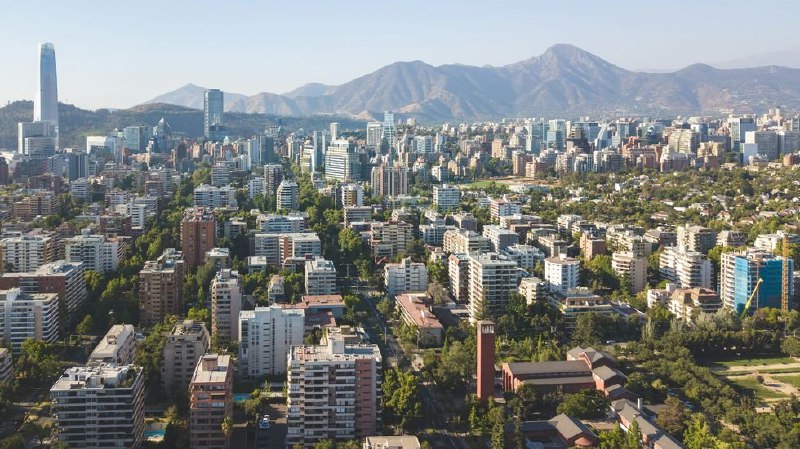
As recently as 30 years ago, residents of Santiago often could not see the mountains, even though the city lies literally at the foot of the Andes. Today, when a metropolis surrounded by mountains and long living in a cloud of smog is beginning to see those very mountains, it has become an inspiring example of how even in difficult geography, with old habits and limited resources, tangible environmental improvement can be achieved.