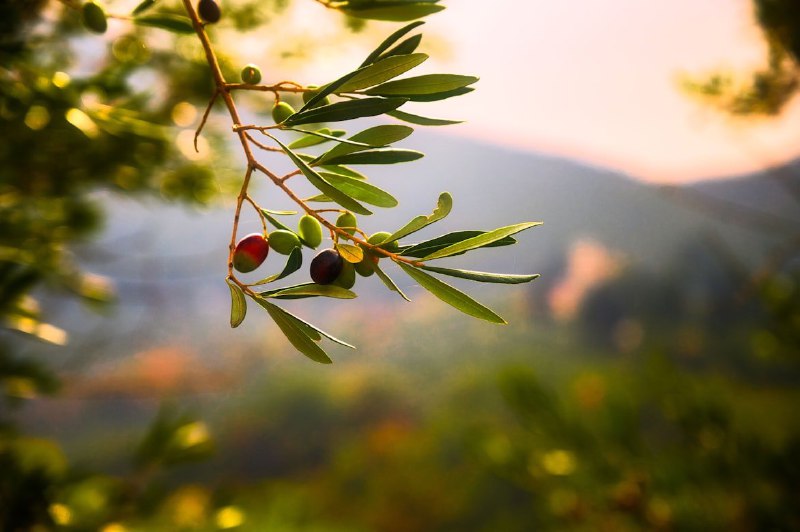
Olive pits and pomace, once treated as waste from oil production, are now becoming an important resource for energy, ecology and even pharmaceuticals. In Mediterranean countries — from Tunisia to Spain — these residues are used to make eco-friendly fuel, fertilizers, cosmetics and construction materials.
In Tunisia, the company Bioheat turns the waste into fuel briquettes that emit one third less CO₂ than firewood and are already being exported. In Spain, since 2022, more than 200 flights have been operated on sustainable fuel made from olive residues. Portugal, Greece and Turkey use the pits for heating.
Olive pits contain up to 48% dietary fiber, more than 30% oils, proteins and trace elements — and especially phenolic compounds, which have powerful antioxidant and anti-inflammatory properties. This makes them of interest to pharmaceuticals, dietary supplements and cosmetics.
As it turns out, the olive pit can do more than heat homes — it may also change the approach to sustainable development.