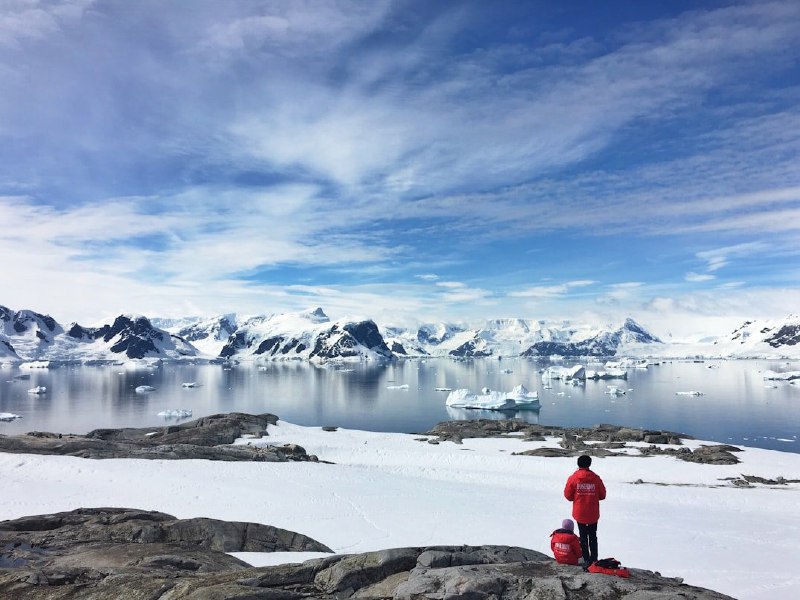
An international team of scientists has found for the first time that active nitrogen fixation also takes place beneath the thick Arctic ice — a process in which special bacteria convert atmospheric nitrogen into a form usable by other organisms. Until now, it was believed that such conditions would make this impossible. The discovery completely changes ideas about life in the planet’s coldest regions.
Little-known bacterial species thriving at the edge of melting ice play a key role. They supply nitrogen to algae, which in turn form the basis of the entire marine food chain.
Scientists suggest that as the ice continues to melt, the zone of activity for these bacteria will expand, leading to more algae and, as a result, greater biodiversity. Moreover, algae actively absorb CO₂, binding it in their biomass. This means the Arctic may play a greater role in climate regulation than previously thought.