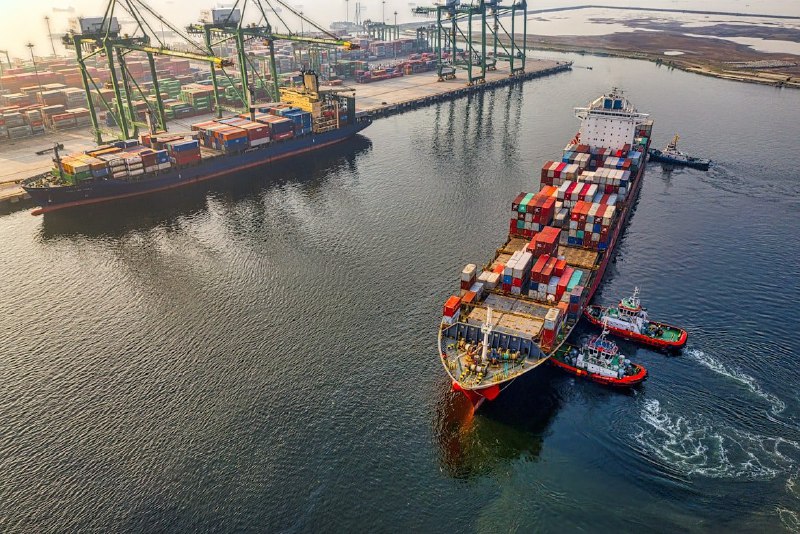
For the first time in centuries, the profession of marine pilot is undergoing a radical change. In Denmark, the DanPilot system has been tested, allowing a vessel to be controlled remotely, without the need to physically board it.
The main advantage of the new system is safety. The pilot no longer has to risk boarding a moving ship in a storm or fog. At the same time, the ship can maintain operating speed without wasting extra fuel slowing down to receive the specialist. This reduces costs for companies and lowers emissions of harmful substances into the atmosphere.
The technology will help address another challenge: the shortage of personnel. Fewer and fewer young professionals are choosing the profession of marine pilot, but the remote format makes it safer, more modern, and more attractive to a new generation.
Remote piloting technology has become part of a global trend toward automation in maritime transport. Today, projects involving autonomous vessels and robotic port complexes are being developed in many countries. Together, they are bringing closer a future in which shipping will be safer, cleaner, and less dependent on the human factor.