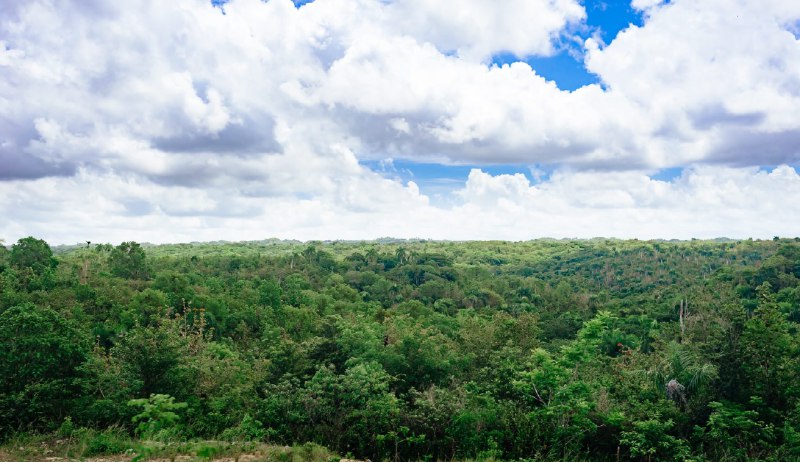
Colombia has officially approved its first protected area for uncontacted indigenous peoples—particularly for the Yurí-Pasé people, who live in the southern part of the country and chose voluntary isolation from the outside world. The new reserve, covering more than one million hectares, includes Rio Puré National Park and a buffer zone that completely excludes any economic activity and any forced contacts.
The initiative is the result of years of work by scientists, human rights advocates, and the indigenous communities themselves. Recognition of uncontacted groups was formalized only in 2023, even though local communities had known about them for a long time. Concerns about interference from the outside kept this information out of the spotlight for years.
The new legal framework, which allows for the creation of “untouchable zones,” meaning areas with a special protection regime where all external activity is banned, made it possible to formalize protection for this unique territory. Previously, especially in the 20th century, states’ policies toward isolated peoples often focused on forced integration; today, particularly in Latin America, their conscious choice to avoid contact with the outside world is increasingly being recognized.