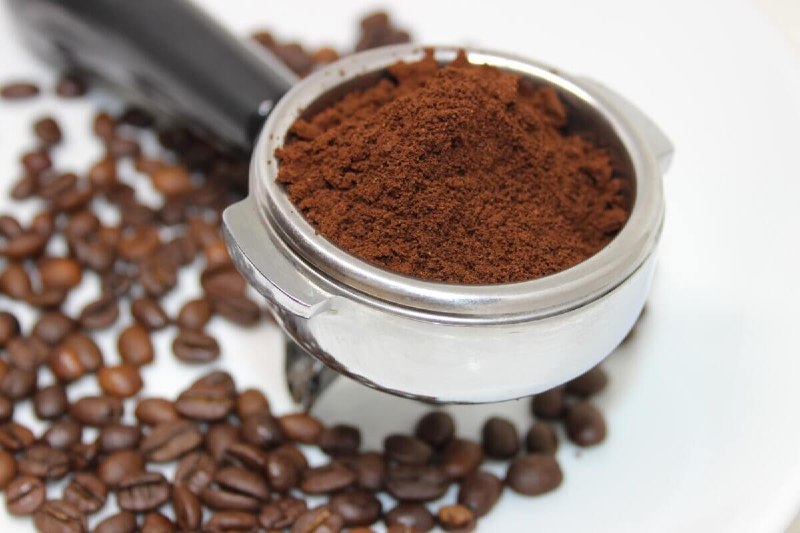
Researchers in South Korea have proposed a technology that can turn fresh, still-wet coffee grounds into high-calorie biofuel in just 90 seconds, without any pre-drying, which is the most expensive stage in processing such waste.
The scientists used flame plasma — a stream of superheated gas with a temperature of about 800–900°C, formed by burning liquefied petroleum gas in a mixture with compressed air. This stream almost instantly evaporates the water inside the coffee particles.
Water turned out to be not an obstacle, but a crucial part of the process. The moisture instantly turns into steam, creates high internal pressure, and each particle literally "explodes" from the inside. The researchers compared this effect to making popcorn. The resulting porous biocoal has a much larger surface area, which makes it a more efficient fuel.
Today, there are several ways to process wet organic waste into solid fuel. However, most technologies require either long pre-drying or high-pressure treatment, which takes hours and consumes significant energy. The new plasma technology eliminates the drying stage and reduces the entire process to a minute and a half.