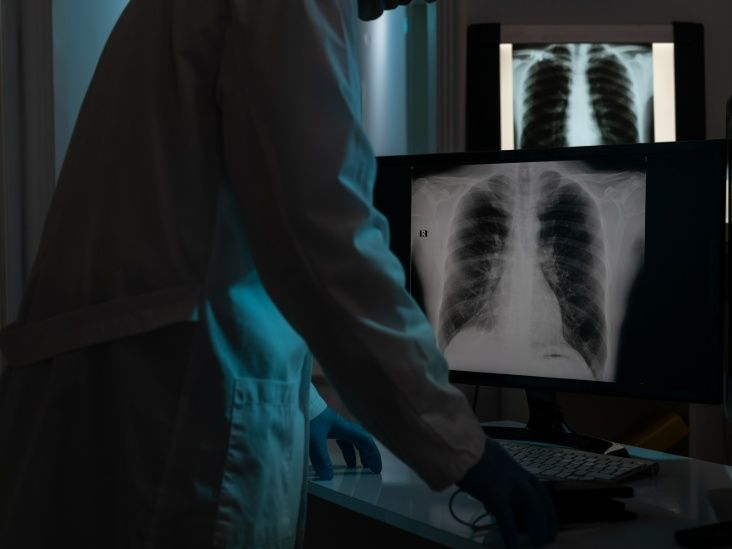
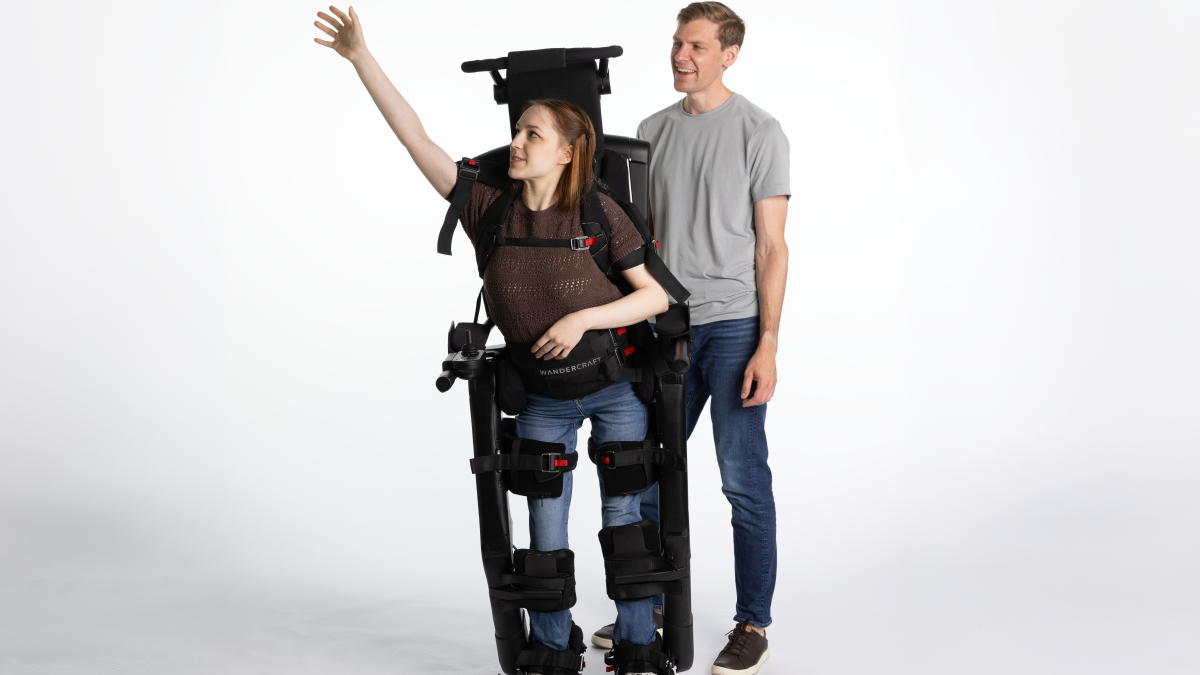
In China, the first commercial brain implant in the world has been approved for restoring hand movement in people with paralysis. This decision marks the transition of neural interfaces from the research stage into practical medicine.
The implant works as a translator between the brain and the body. It reads signals from neurons — electrical impulses through which the brain “gives commands” — and turns them into real actions. In this way, patients gain the ability to partially regain control over movement and independence.
The most important point here is not the technology itself, but its status. For the first time, it is leaving laboratories, where it was available only to a few, and becoming part of real, broad medical practice.
The development reflects the global trend in neurotechnology aimed at restoring lost functions — from movement to speech and vision. For now, this is only the first step. But for many, it may be the one that divides life into “before” and “after.”
Source: Interesting Engineering