A study completed in Europe has partially restored vision for patients with age-related macular degeneration (AMD), a condition that robs older people of central vision. That part of vision is responsible for reading, recognizing faces and orienting oneself in space.
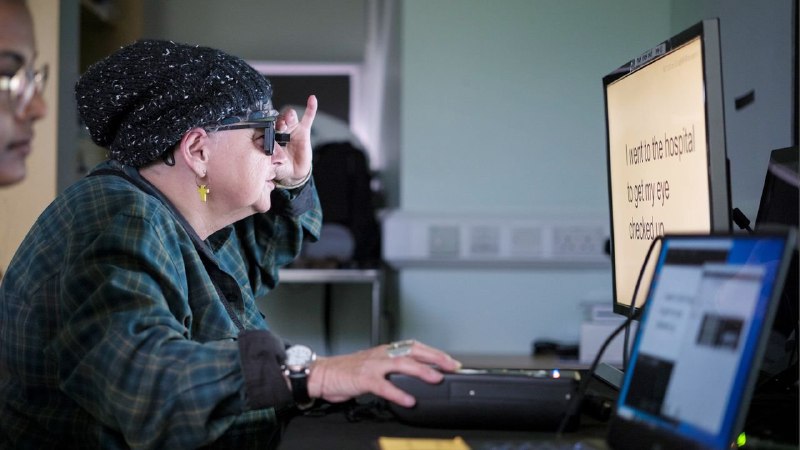
The technology combines the implantable PRIMA microchip and augmented reality glasses with a camera and a mini-computer. The camera captures the image, projects it onto the chip using infrared light, and the device sends the signal to the brain. About 80% of participants were able to read letters and words after a year of using the device. This is the first time vision has been "revived" specifically in an area of complete retinal atrophy.
Today, more than 5 million people worldwide suffer from AMD. Although the image remains black-and-white and the technology still does not make it possible to reliably recognize faces, it may restore some independence to patients — a real step toward improving quality of life. The ability to read again, move around more easily and interact with the surrounding world opens a new chapter in the treatment of vision loss.