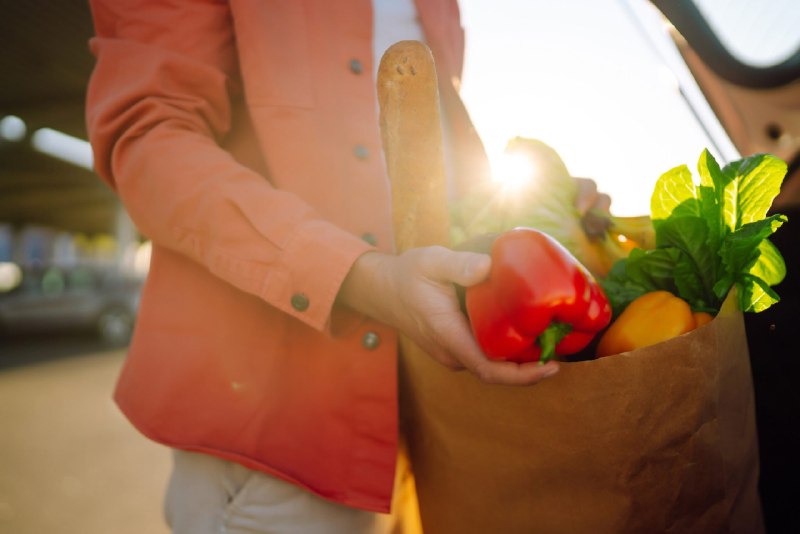
In the United States, digital technologies are helping address hunger, becoming especially relevant as government assistance is being cut back. Apps such as Food Rescue Hero and Too Good To Go bring together volunteers, organizations and people in need of food. The services help quickly redirect surplus food from cafes, offices and shops to those who cannot afford it. Flashfood helps people find products close to their expiration date.
Volunteers can see in real time where and what can be picked up, while algorithms build delivery logistics. In Chicago, using just two employees, Chicago Food Rescue managed to collect 88,000 meals over the course of a year.
These systems are designed to solve two problems: reducing food waste and overcoming food insecurity. According to official data, about 40% of food in the United States is thrown away before reaching consumers. At the same time, more than 13.5 million families live with food insecurity.
Delivery often goes directly to people’s homes, making it especially valuable for older adults and people with limited mobility. The initiative is especially useful in food deserts — areas without stores that sell affordable food. About 19 million people live in such areas.
Of course, a mobile app cannot replace a thoughtful government policy. But it is encouraging that, while the government deliberates, people are not leaving one another in need.