In the European Union, the TexMat project has been launched to make it easier and more worthwhile to hand in unwanted clothing. The main idea is to create a decentralized textile collection system in which consumers can receive financial compensation for returning items suitable for reuse or recycling. The initiative is funded by the EU, brings together 14 partners and will run until 2029. Pilot trials will take place in Spain and Finland.
The system will be based on smart containers. They will automatically accept clothing, assess its condition and divide it into three categories: for resale, for recycling and for disposal. The operation of the containers will also involve the use of Digital Product Passports, which contain information about fabric composition, origin and possible further recycling. In the EU, such mechanisms for the textile sector are being introduced gradually in 2026–2027.
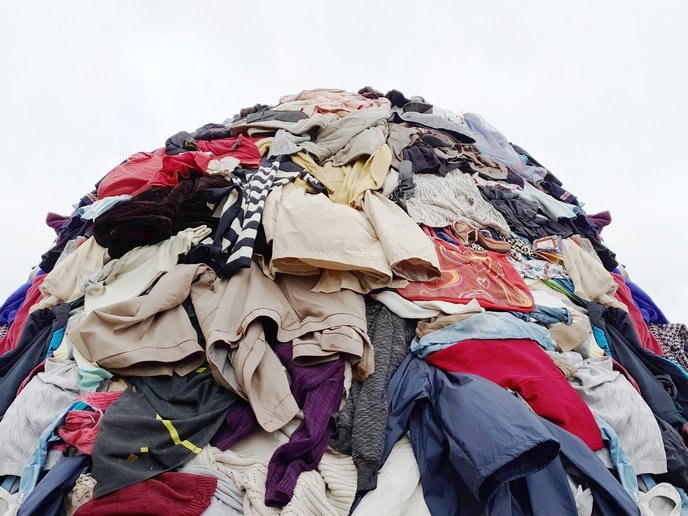
TexMat is new in that it combines three ideas that are usually separate: financial incentives, automatic sorting and producer responsibility for a product’s fate after sale. Every year, millions of tons of textile waste are generated in the EU; in 2025, this amounted to about 19 kg per person. A significant share of items still ends up in mixed waste, incineration or landfills. TexMat is intended to reduce manual sorting, support the reuse market and help implement the principle of extended producer responsibility, under which a company is responsible for the entire life cycle of its product.