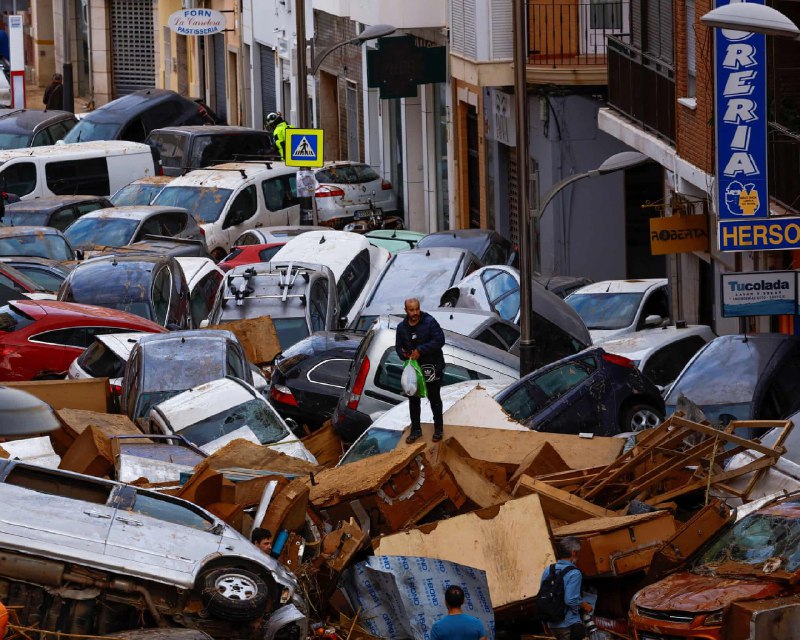
This school year, Spain is introducing a compulsory programme to teach children how to act in emergencies linked to climate risks. The course will begin for all ages — from three-year-old preschoolers to secondary school students — and will cover more than 8 million pupils in 25,000 schools. The initiative is part of the national emergency response plan and comes against the backdrop of the serious consequences of recent disasters.
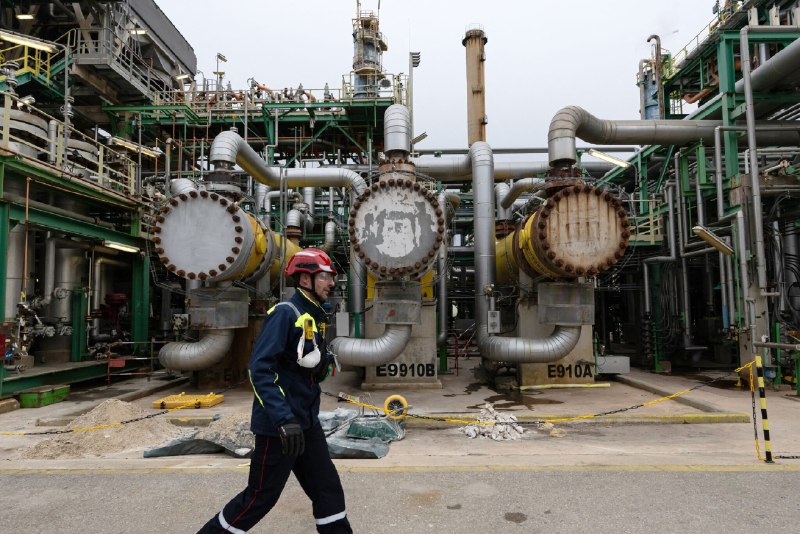
Training will take place in an interactive format: younger pupils will learn to recognise warning signals and follow basic safety rules, while teenagers will be prepared to act during floods, fires, earthquakes and other natural and man-made threats. Unlike traditional safety lessons, the Spanish model focuses on practicality, long-term learning and the involvement of all generations. The course also includes topics on industrial and chemical accidents, and a separate module is devoted to critical assessment of information — how to distinguish reliable instructions from rumours and misinformation in an emergency.
Perhaps in a few years, climate preparedness lessons will seem as natural as maths or PE.