The Indian city of Pallava, located near Mumbai, has become the setting for a unique experiment in sustainable urban development. Here, models of the urban environment are being developed where it is possible to manage without air conditioning even in hot climates.
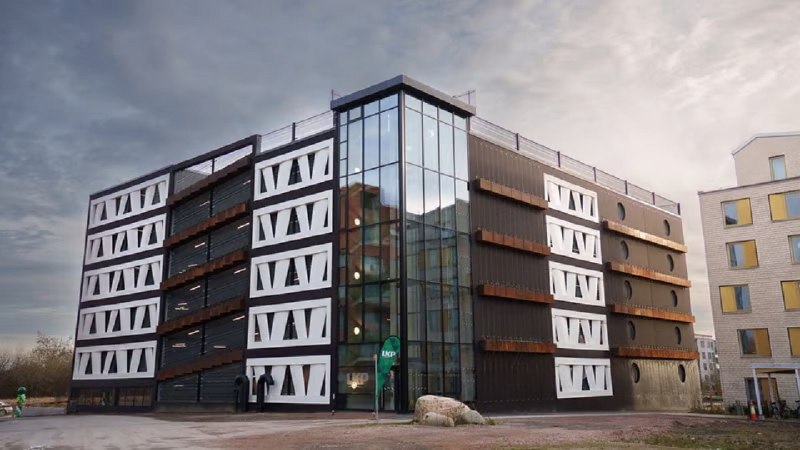
The city’s architecture includes light-colored facades, smart windows, and green plantings. Together, they help keep buildings cooler and improve air quality. At the same time, all necessary infrastructure facilities are located within walking distance, reducing the need for transport and helping to support a healthier urban ecosystem.
Although this approach requires investment and cannot always be directly transferred to other cities, many of its individual elements—energy-efficient technologies and green design—can be scaled up. The example of Pallava shows that comfort and sustainability can go hand in hand even in the context of global warming.