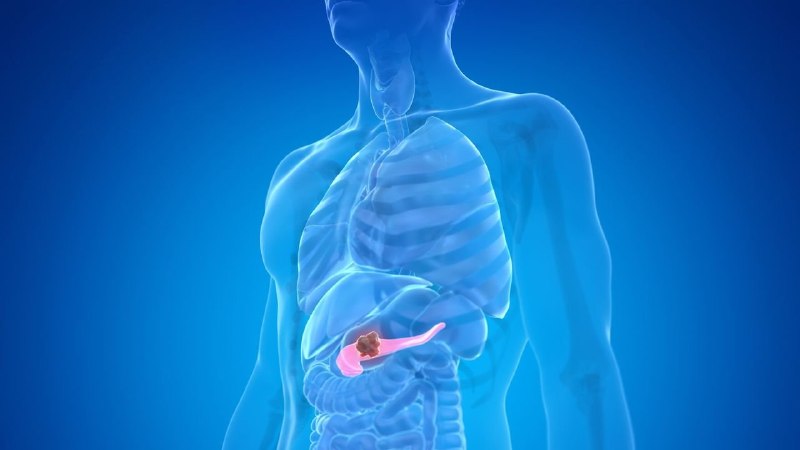
A new artificial intelligence system, REDMOD, has learned to identify early signs of pancreatic cancer far earlier than standard diagnosis. The algorithm can find hidden changes on CT scans months and even years before the disease is diagnosed.
Researchers tested the model on nearly 2,000 computed tomography scans that had previously been considered normal. The AI analyzed the structure of the pancreatic tissue and detected barely perceptible abnormalities in patients who later developed cancer. On average, the scans analyzed had been taken 16 months before the disease was detected.
The system was able to identify 73% of future cancer cases. Its advantage was especially noticeable at the earliest stages: in cases more than two years before diagnosis, its sensitivity was nearly three times higher than that of radiologists. At the same time, specialists are still better at distinguishing healthy patients from sick ones — 92.2% compared with 81.1% for the AI.
The best results would come from combining algorithmic analysis with doctors’ expertise. In the future, REDMOD is planned to be combined with biomarker analysis to improve the accuracy and speed of early diagnosis of one of the most dangerous forms of cancer.