In nature, there are organisms capable of remaining viable in conditions that are deadly to most forms of life. Some fungi with a high melanin content, however, can not only survive radiation but also use it as an energy source.
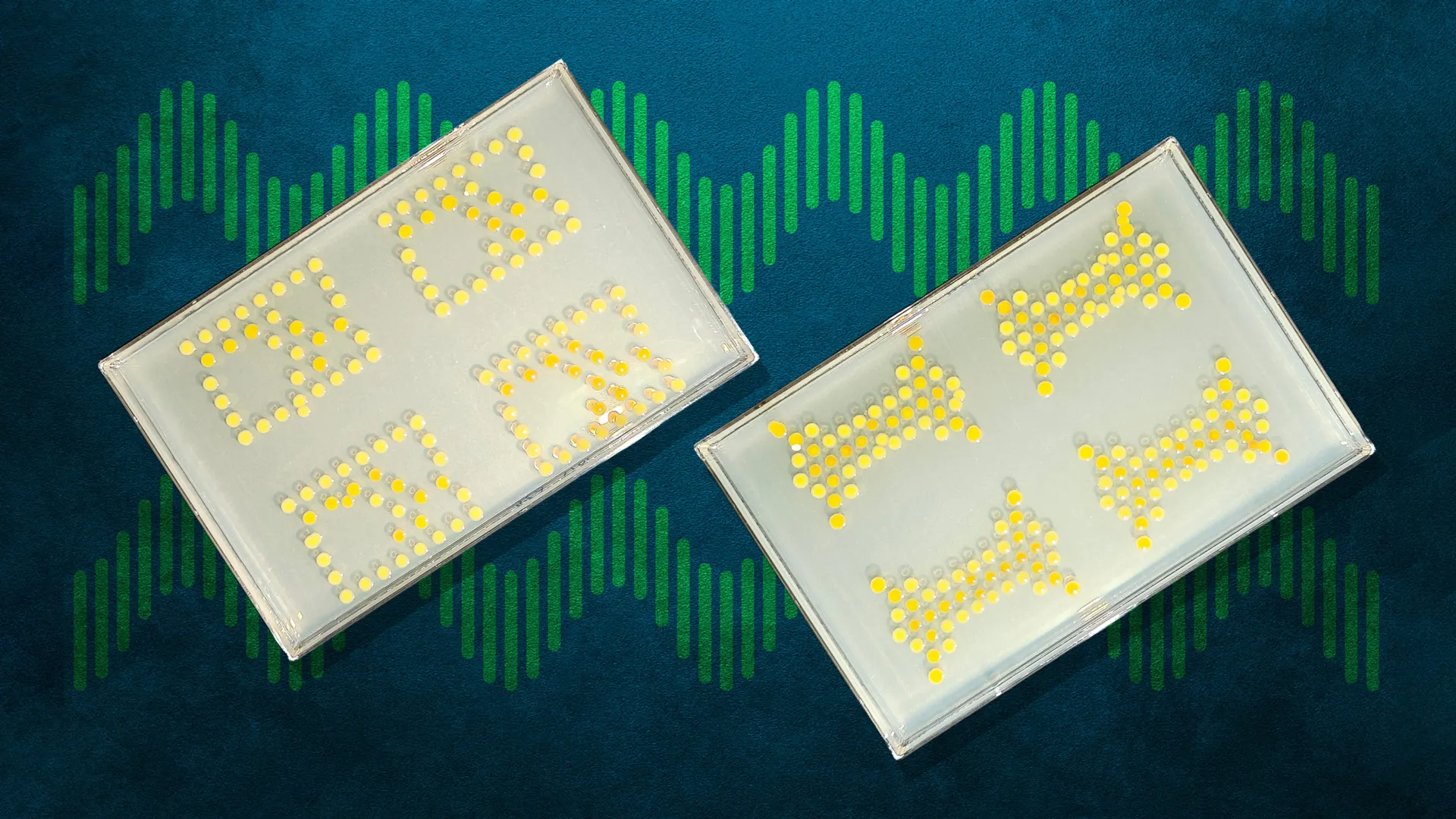
This process is called radiosynthesis — an analogue of photosynthesis, but instead of sunlight, radiation is used. The key factor is melanin, a pigment that absorbs and scatters radiation energy, protecting cells from damage. Certain species of fungi, for example Cladosporium sphaerospermum, consistently demonstrate radiotropism — directed growth toward a source of radiation.
It all began in the 1990s, when biologist Nelli Zhdanova discovered black mould at the Chernobyl Nuclear Power Plant. Its hyphae literally stretched toward sources of radiation. Later, in experiments aboard the ISS in 2018, Cladosporium sphaerospermum grew 21% faster than on Earth. And a 1.7 mm layer of the fungus reduced radiation at the station by 2.4%, while calculations show that about 21 cm of such a "fungal shield" could noticeably reduce the annual dose on the surface of Mars.
In practice, this offers promising prospects. NASA is already considering using such fungi for natural protection in the construction of lunar and Martian bases. In this way, mould adapted to deadly conditions could become an ally in the struggle for survival beyond Earth.