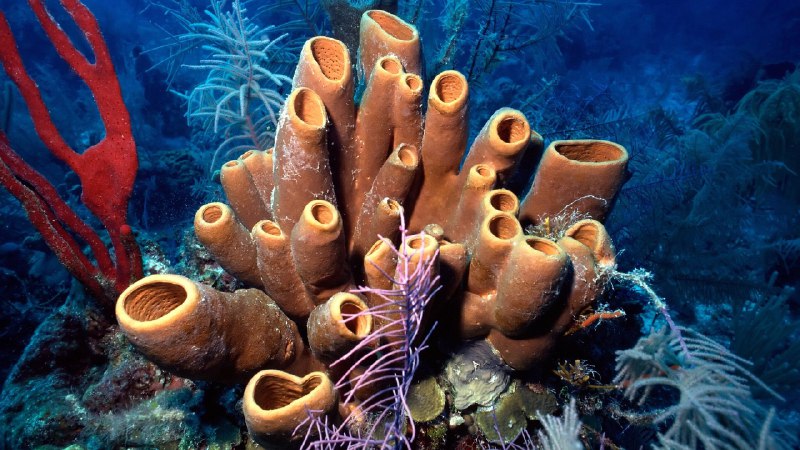
Scientists at the Massachusetts Institute of Technology (MIT) have taken a step toward solving one of science’s biggest questions: how and when life appeared on Earth. They presented new evidence that sea sponges may have been among the planet’s first animals.
The researchers found steranes in rocks from Oman, India and Siberia — molecules that arise from sterols related to cholesterol. Earlier finds with 30 carbon atoms had already been linked to sponges; now even rarer compounds with 31 atoms have been identified, characteristic of some modern species.
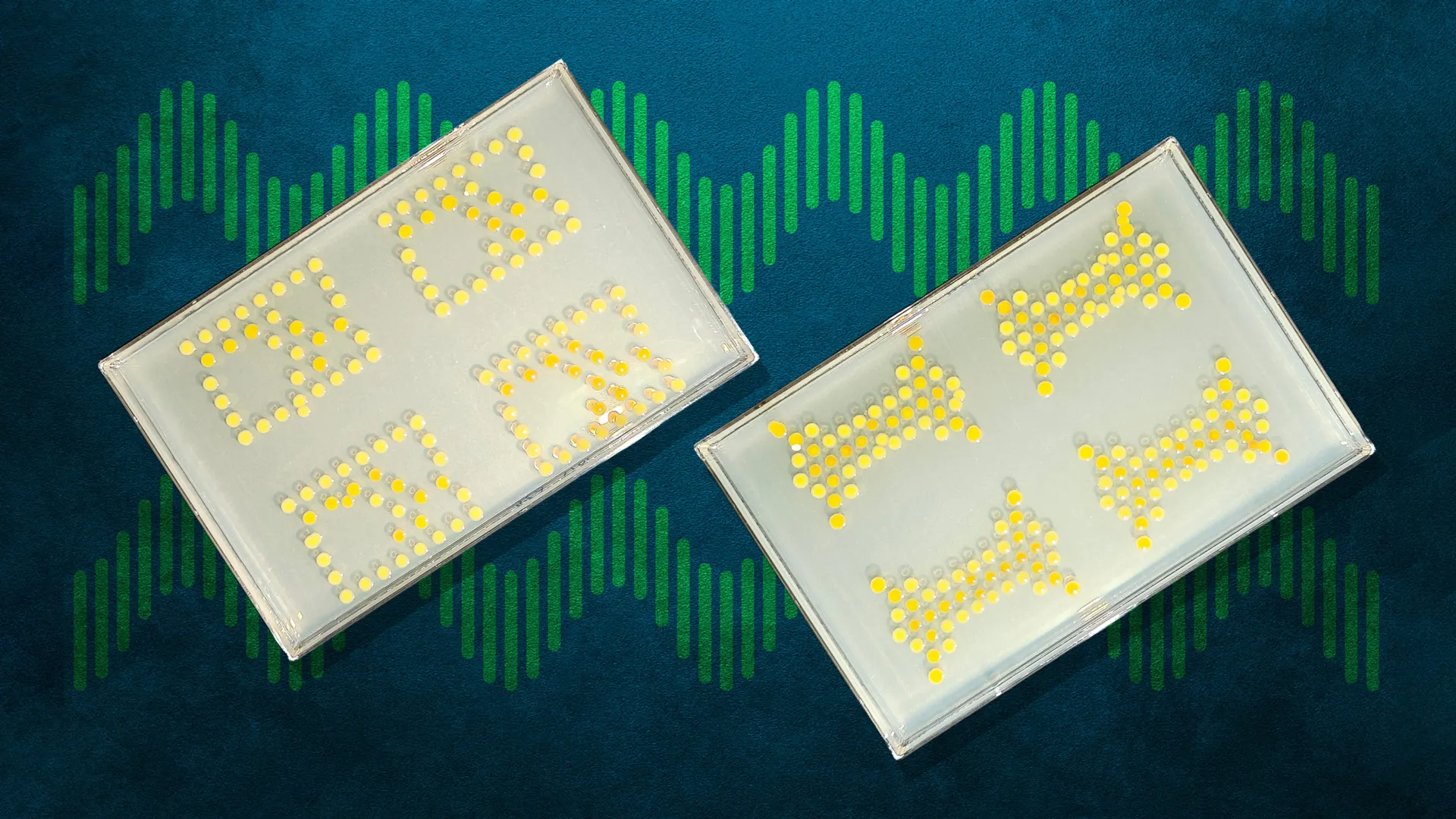
For a long time, one question remained: were these molecules really traces of living organisms, or could they have formed through inorganic reactions? In the laboratory, the researchers reproduced the process of molecular "fossilization." Of eight substances, only two could form without the involvement of living organisms; the rest clearly had biological origins.
Taken together, the evidence confirmed that sponges could indeed have been among the first animals on Earth. These molecules may one day help answer the question of where the history of all life began.