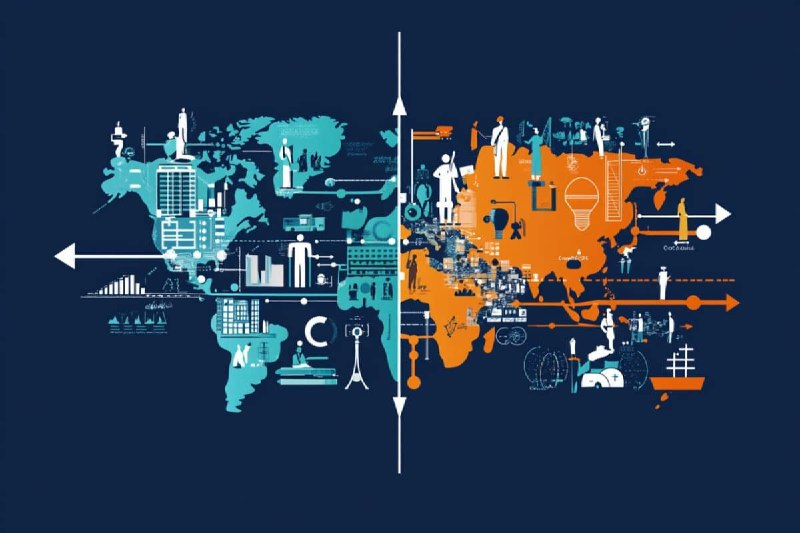
A new study by the University of California, San Diego, published in Science, suggests that the emigration of skilled professionals from developing countries helps them develop rather than holds them back. Economist Gaurav Khanna and his team analyzed how changes to visa rules in the United States and other countries affected outcomes, separating the effect of the possibility of leaving from other economic factors.
The Philippines offer the clearest example: U.S. visa programs for nurses triggered a surge of interest in the profession. In India, expanding access to H-1B work visas gave a strong boost to the growth of the IT sector and technical education. Even the possibility of leaving—hypothetically—can become an incentive to study, invest in oneself, and build human capital.
Moreover, people who move abroad share their experience, invest, and develop businesses and education back home. At the same time, closing borders is harmful to everyone: both talents and incentives to develop are lost. In an era of global competition for talent, sensible migration policy is presented as a key to shared success.
Source: Neuroscience News
URL: https://neurosciencenews.com/brain-drain-productivity-29122/
Source date: 2025-05-23T13:04:32.969Z