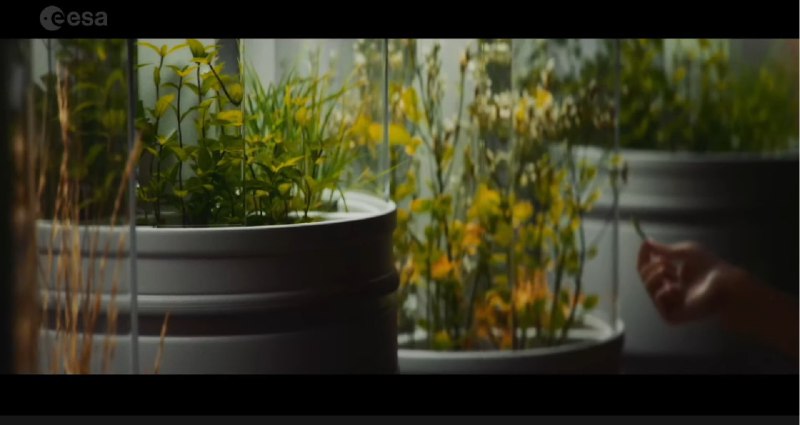
At the University of Kent, tea plants were successfully grown in conditions close to lunar ones. The plants not only took root in a simulator of lunar regolith, but also showed growth comparable to the control group.
The experiment was part of preparations for future space missions. NASA, the European Space Agency and China are actively preparing to return to the Moon and build bases, where one of the main challenges remains food supply.
Earlier, scientists successfully germinated tea, rice, radish, lettuce, wheat, beans, basil and moss in lunar conditions — and some even in real lunar dust, opening the way to autonomous agriculture beyond Earth. These experiments not only prepare humans for life on the Moon, but also offer solutions for restoring poor and degraded soils on our planet.
Tea is a rather demanding plant, and its inclusion in such experiments had long been considered a lower priority because of its difficulty to grow and its low nutritional value. However, growing tea matters less from a food perspective and more as support for morale, recovery after exertion and a piece of Earth-like routine in extreme conditions. To feel at home on the Moon, comfortably!