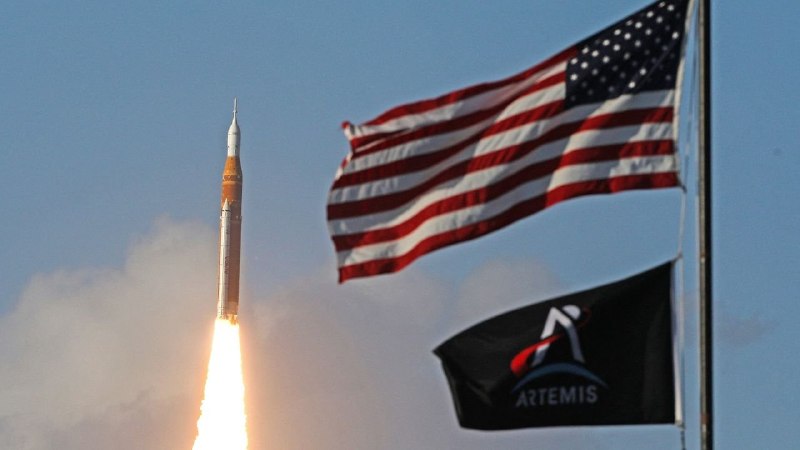
In the night of April 2, NASA launched the Artemis 2 mission from the Kennedy Space Center — the first crewed flight to the Moon in more than 50 years, since Apollo 17. The Space Launch System rocket sent the Orion spacecraft into space with four astronauts aboard.
The crew includes Reid Wiseman, Victor Glover, Christina Koch and Canadian Jeremy Hansen. For Hansen, this is a historic flight: he will become the first Canadian to travel into deep space beyond Earth orbit.
The mission will last about 10 days. There will be no landing on the Moon — the spacecraft will make a flyby and return to Earth. But the significance of the flight goes far beyond its formal route. The spacecraft will travel to a record distance from Earth of about 406,000 kilometers. The main task is to test the Orion system, including life support, controls and rendezvous technologies. It is also the first crewed mission to the Moon in the 21st century — and immediately with a symbolic emphasis on diversity: in the crew are the first woman, the first Black astronaut and a representative of another country.
Artemis 2 is part of the Artemis program, under which NASA plans to land on the Moon by 2028. The launch itself became a mass event: according to estimates, more than 400,000 people watched it on Florida’s coast. Space once again became a spectacle that brings people together — as it did in the Apollo era.