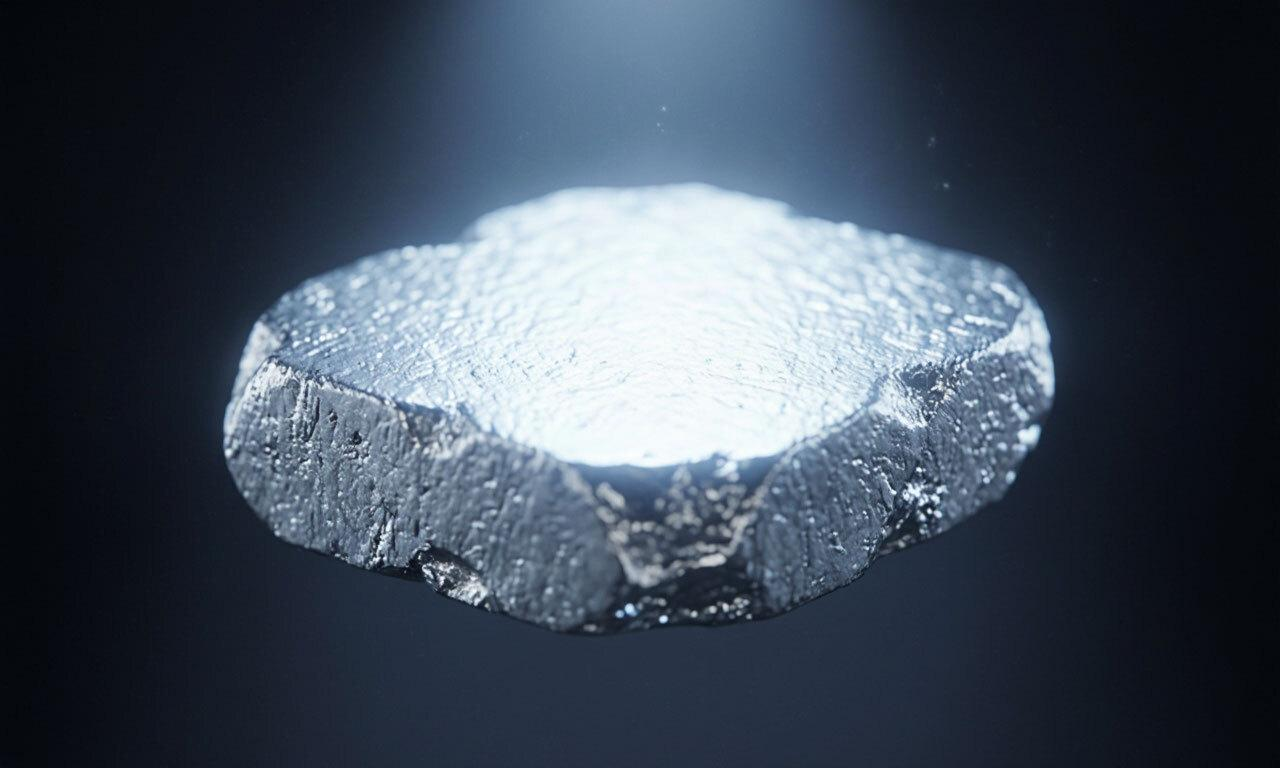
Scientists at the University of Oxford concluded that hydrogen was already present in the building material of Earth from the start, which is a key element for the formation of water. They analyzed a rare meteorite from Antarctica, enstatite chondrite LAR 12252, and used X-ray spectroscopy to detect a high concentration of hydrogen sulfide in microscopic particles of the meteorite.
The substance was not the result of contamination from Earth, but evidence that hydrogen was contained in the material from which Earth was formed. Until now, it was thought that the early Solar System was too hot for ice to survive, so water on Earth could only have arrived after the environment cooled. With these data, the researchers challenged the “late delivery” hypothesis of water by celestial bodies.
The significance of the finding goes beyond a single planet. If water could arise from internal sources during the formation of Earth, a similar scenario may be possible for other rocky planets, such as Mars. In turn, this increases the chances that water—and possibly life—may exist in other parts of the Universe.