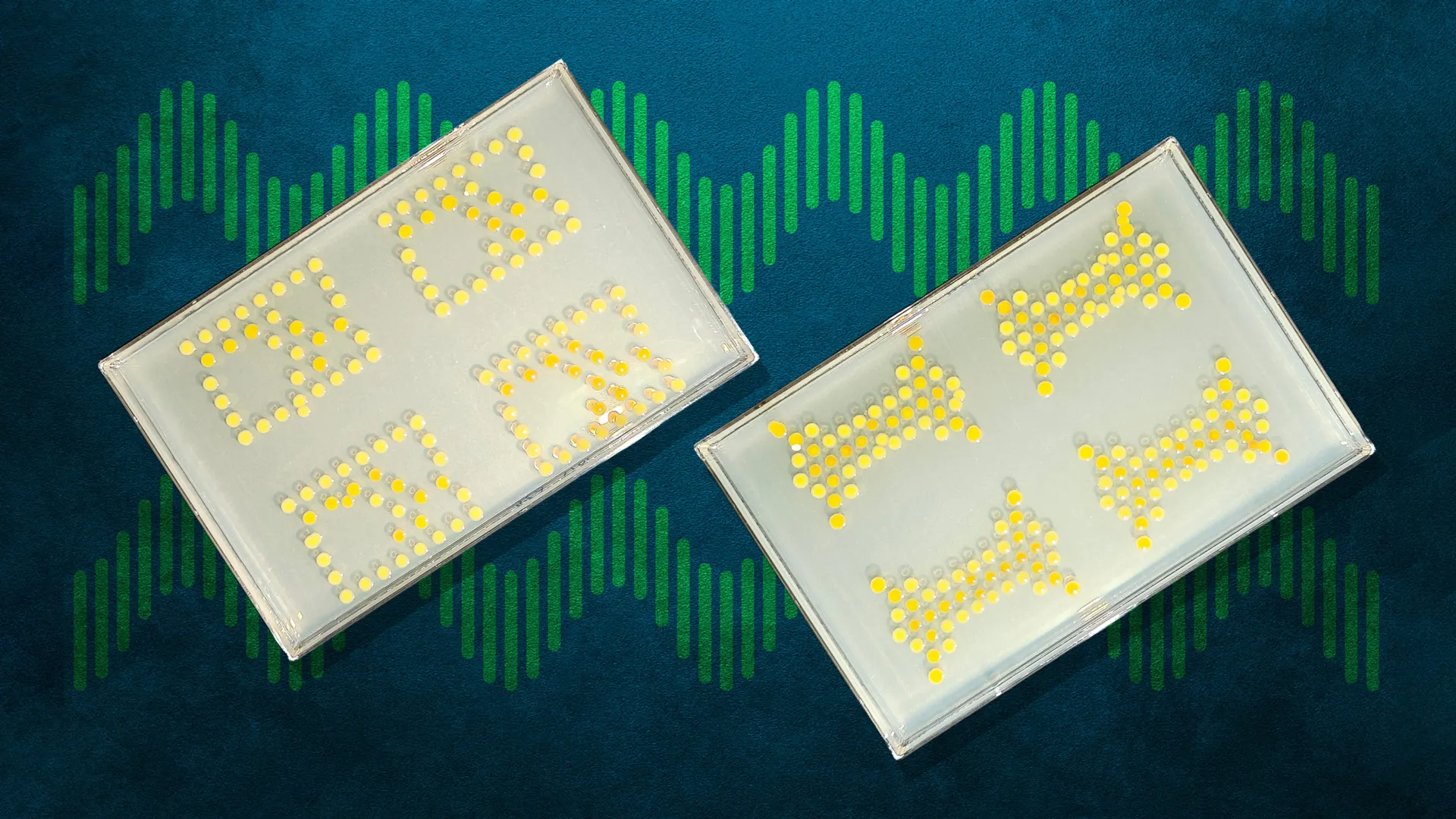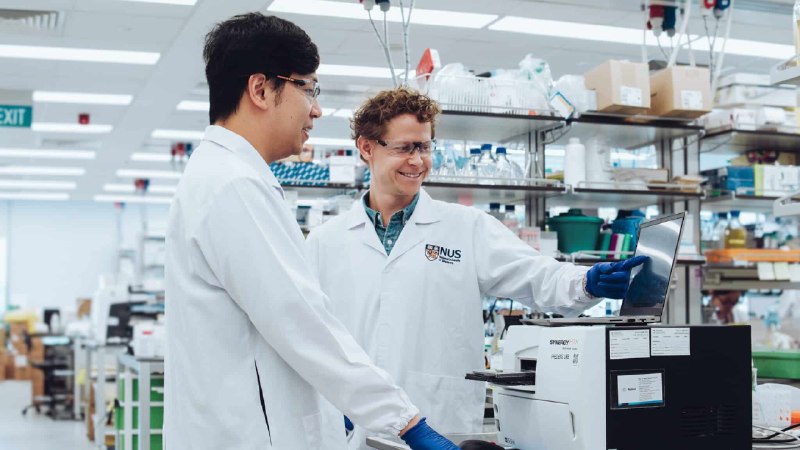
At the National University of Singapore, researchers developed a system called LySE (lytic selection and evolution), which turns bacteriophage T7 into a tool for accelerated bacterial evolution. This virus can destroy E. coli cells in just 17 minutes: during that time, it infects the bacterium, multiplies inside it, and breaks the cell open, releasing new virus particles. The researchers used this speed to create a technology that speeds up the modification of target genes to one day instead of weeks of laboratory work.
Normally, viruses try to copy their genetic information as accurately as possible: too many errors can make them nonviable. The scientists reprogrammed it so that it deliberately creates mutations only in selected bacterial genes, without affecting the rest of the genome. The frequency of changes in the target regions rose to a level about 160,000 times higher than natural. In effect, the virus was turned into an accelerator of evolution: the system quickly creates a huge number of gene variants and then helps select the best ones.
Directed evolution has long been considered one of the most important tools in modern biotechnology. It is used to create new enzymes, medicines, industrial microorganisms and biofuels. In 2018, the development of this approach was even recognized with the Nobel Prize in Chemistry. But until now, researchers had to choose between the speed of experiments, the precision of control and the cost of the process. LySE appears to be the first system that tries to combine all three at once.