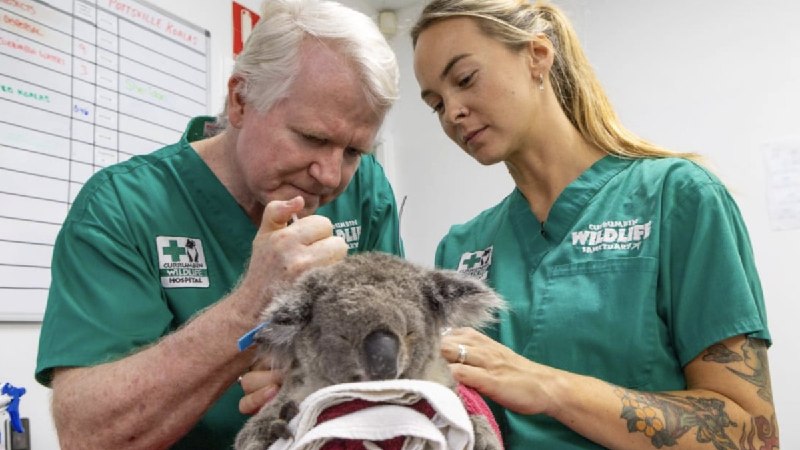
Australian veterinarians have used a new form of vaccination against chlamydia in koalas for the first time, and it could significantly change how these animals are protected. Instead of the usual two separate injections, specialists used a combination of one shot and a biodegradable implant that automatically releases the second dose about a month later.
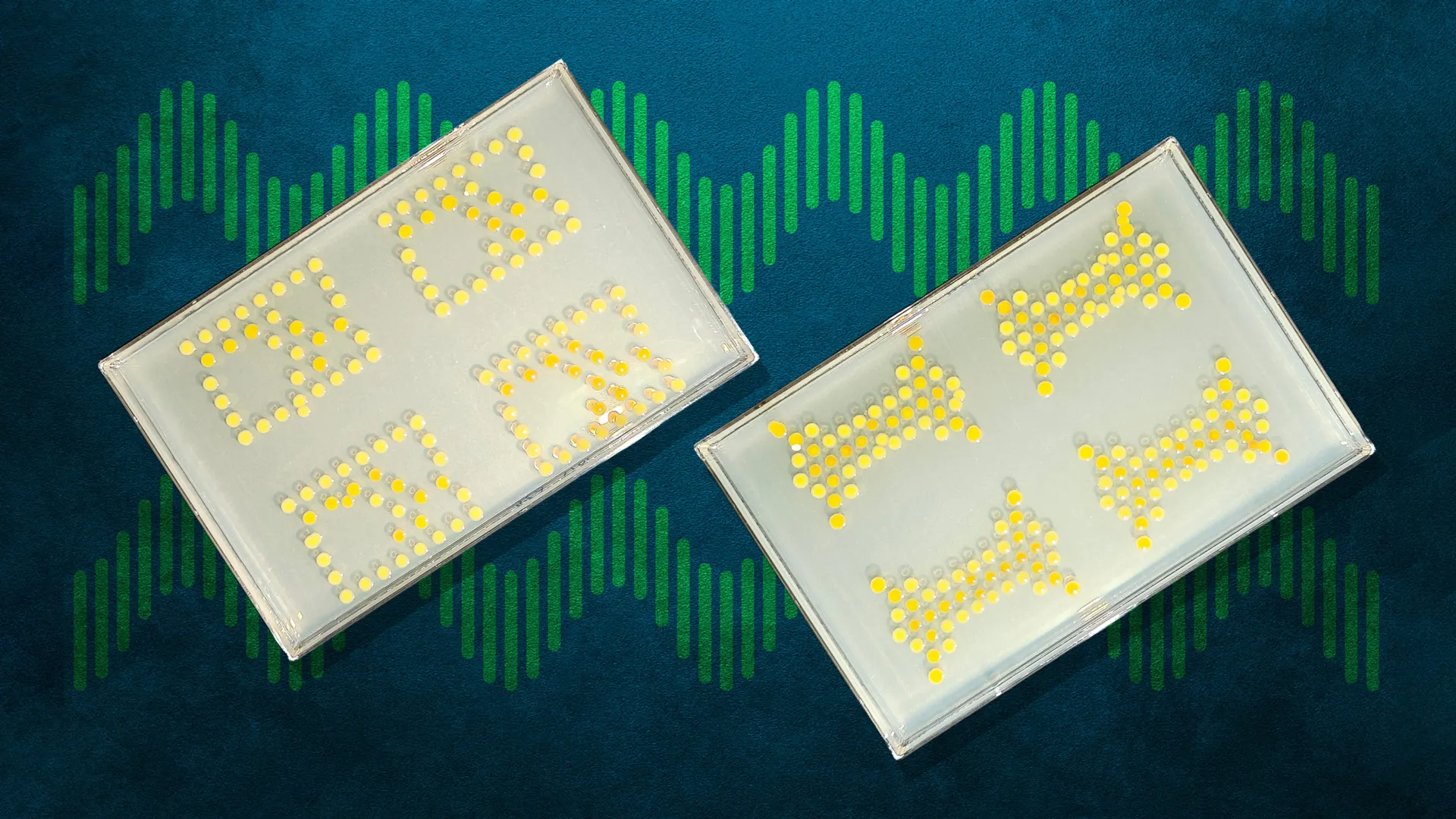
The main advantage of the new technology is that there is no need to catch the koala again for a booster shot. Previously, four weeks after the first vaccination, the animals had to be found and captured again, which caused extra stress for koalas and made veterinarians' work much more difficult. The new implant, developed by researchers at Queensland University of Technology, gradually breaks down and administers the second dose of the drug on its own.
Chlamydia remains one of the main causes of the decline in koala populations. The disease can lead to blindness and infertility, and about half of Australia's remaining koalas are believed to be infected, with rates reaching up to 90% in some regions. The International Union for Conservation of Nature classifies the koala as a vulnerable species, so any technologies that improve the effectiveness of prevention matter not only for individual animals, but also for the species' long-term survival.