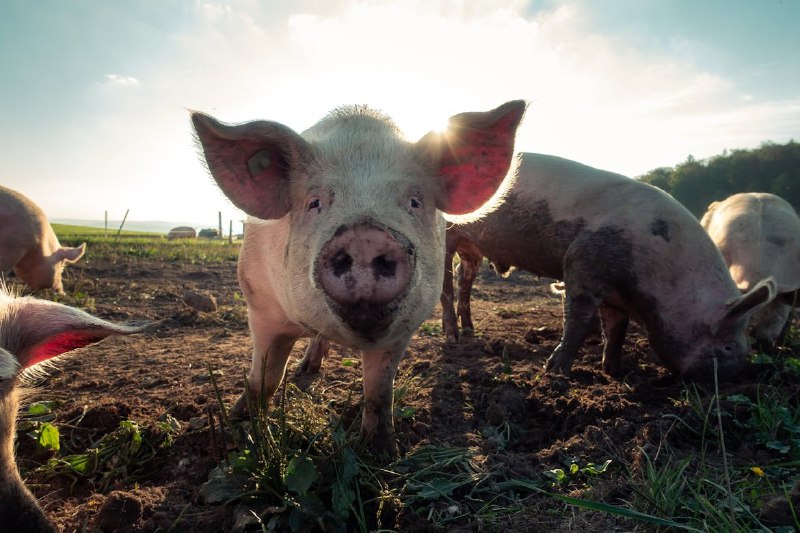
Scientists at the Roslin Institute in Edinburgh have bred pigs that are fully resistant to classical swine fever, a severe viral disease that causes mass animal deaths and major losses in livestock farming. According to one of the study’s authors, science has a “moral obligation” to use knowledge if it can help spare animals from disease.
The researchers precisely edited a section of DNA responsible for the DNAJC14 protein, without which the virus cannot multiply. In biosecure tests, pigs with the modified gene did not become ill, unlike the unmodified control group. Moreover, the resistance was also preserved in the next generations of animals.
Classical swine fever remains a serious problem in a number of countries. The new approach could replace costly and complex measures such as vaccination and trade restrictions with an effective and safe solution. The same gene is also used by other viruses — pestiviruses — that affect cattle and sheep. Researchers are now studying whether the same effect can be achieved in those animals as well.
What does this mean in practice? A substantial reduction in animal losses, better welfare on farms, lower meat prices, a more resilient food system. And, of course, less suffering — for both animals and farmers.