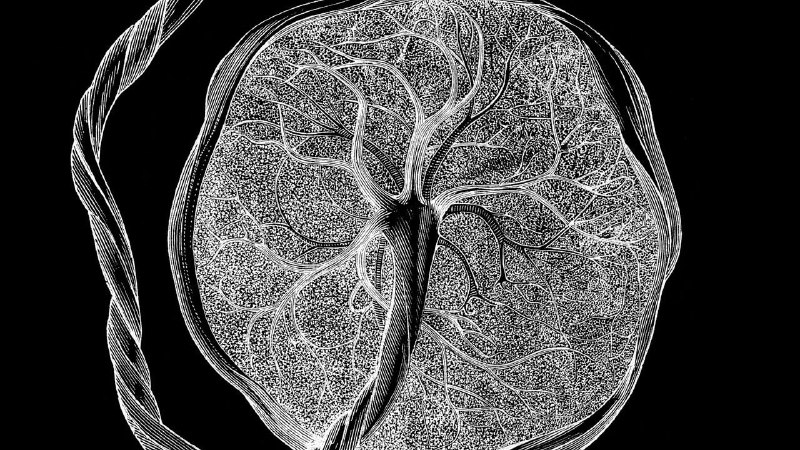
The University of California, San Francisco has presented one of the most detailed 'atlases' of pregnancy to date — a map of placental and uterine development from the fifth week until birth. The work is based on the analysis of about 1.2 million cells, which made it possible to trace how the connection between the mother and the unborn child forms.
The main discovery was a new type of cell previously unknown to science. These cells appear only in the early stages of pregnancy and help form the connection between the placenta and the mother’s blood vessels. They regulate the process by which fetal cells embed themselves into uterine tissue, preventing either excessive or insufficient penetration.
Receptors that respond to cannabinoids were found on the surface of these cells. This may help explain the link between cannabis use during pregnancy and a number of risks, including reduced blood flow to the placenta. However, the scientists stress that further research is needed.
For now, the 'atlas' describes only healthy pregnancy, but the work is already continuing: the researchers plan to compare these data with pathological conditions. And this is where things get especially interesting — such maps could become the basis for early detection of risks even before symptoms appear.