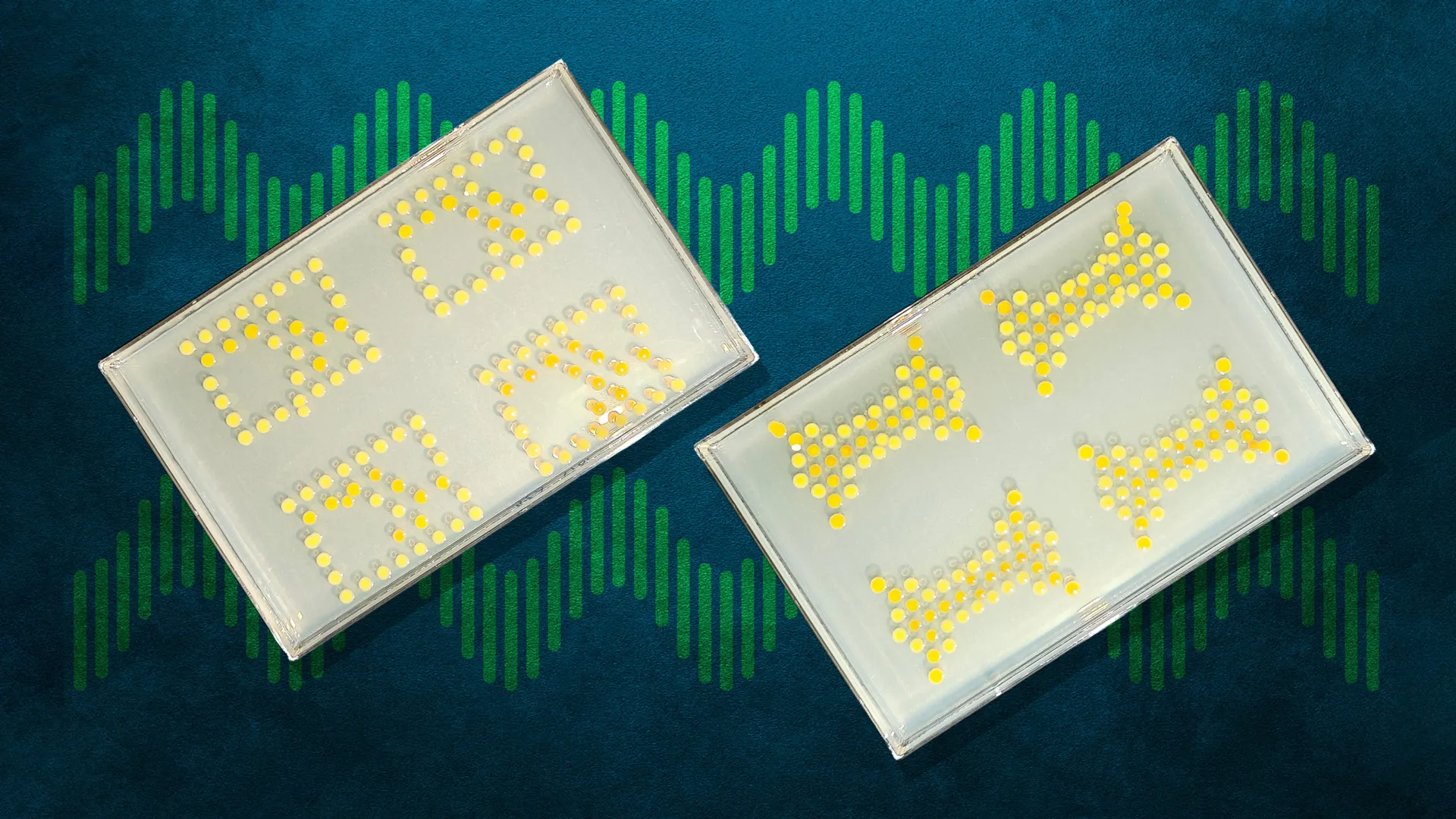
Biomedical engineers have grown a three-dimensional model of the human brain in the laboratory for the first time, called an organoid. This miniature structure reproduces features of the architecture and functioning of the real brain.
The organoid is made from stem cells — a universal biological material capable of turning into any type of cell in the body. Although it is not a full brain, but a simplified model of it, it can mimic essential processes: the formation of neural connections, the development of different regions, and responses to pathological changes.
This gives scientists the ability to observe in real time how neurons develop and how processes are disrupted in diseases such as Alzheimer’s disease or epilepsy. Moreover, such organoids can be used for safe and ethical testing of new drugs before clinical trials begin in humans.
This breakthrough once again confirms that modern technologies are rapidly shortening the path from the laboratory to practical medicine. Thanks to such developments, personalized treatment for neurological disorders is becoming an increasingly achievable reality.