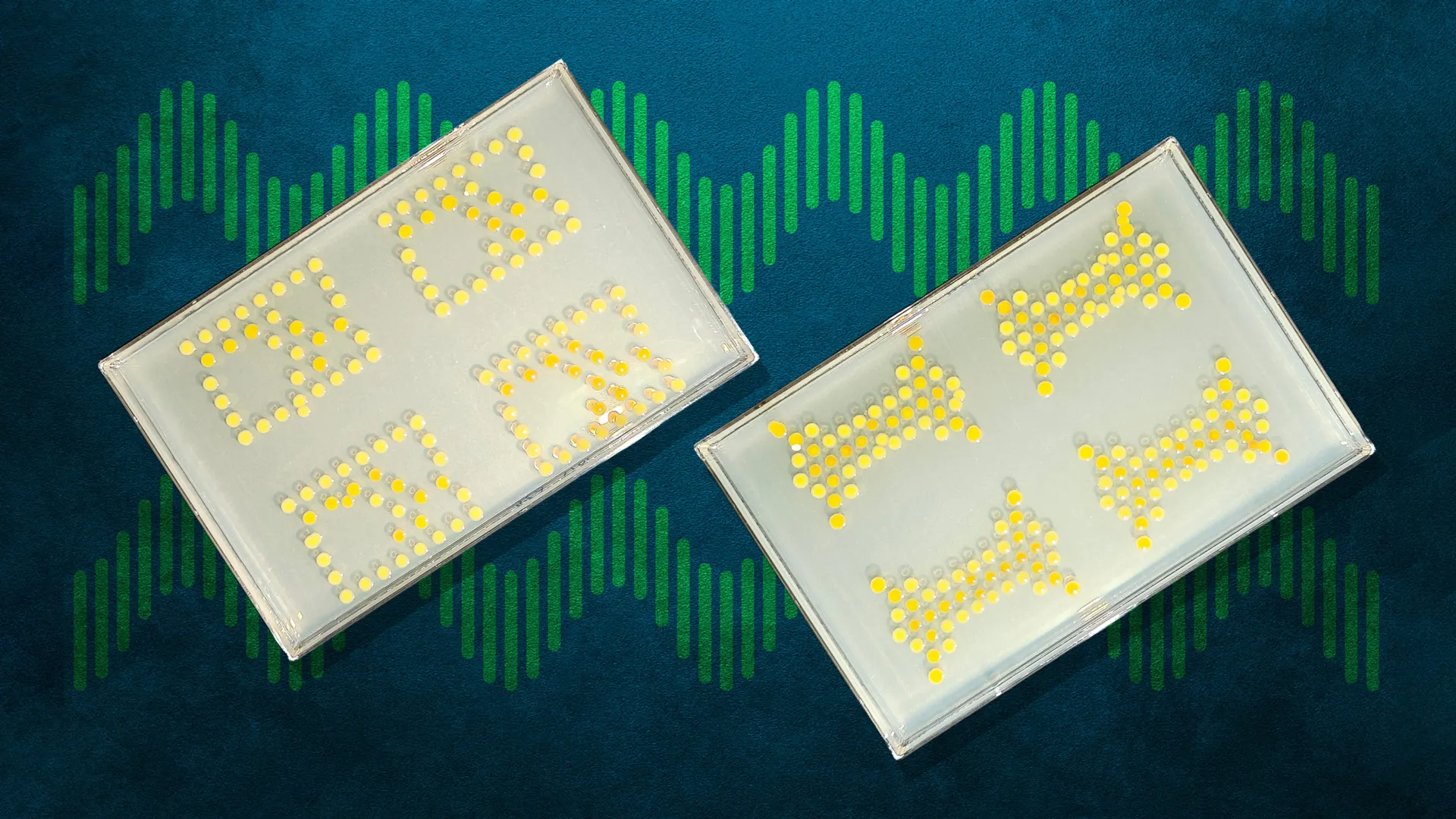
An international team of specialists has, for the first time, managed to load the complete genome of a real virus onto a quantum computer and prepare it for analysis. The model they chose was hepatitis D virus (HDV), one of the smallest but also one of the most structurally complex and rapidly mutating RNA viruses.
Genetic information is stored as a long sequence of nucleotides, while quantum computers work with quantum states of qubits. The researchers had to develop a way to convert an entire genome into a special quantum-compatible representation that the machine could prepare, process and then measure. This translation of real biological data into the “language” of quantum computing was the breakthrough.
The viral genome was selected as a compact but complex model: its RNA mutates rapidly and forms intricate structures. The scientists showed that quantum algorithms are already capable of working with real biological data, not just artificial test examples. In addition, the team demonstrated quantum methods for encoding genetic information, sequence alignment, pangenome assembly and building phylogenetic trees.
The researchers believe that in the future, such technologies could help analyze large volumes of genetic information faster, track the spread of infections and identify mutations linked to diseases. At the same time, they emphasize that quantum computers do not yet replace classical systems: the next goal is to create a service that combines both approaches and allows the most effective method of analysis to be chosen for each task.