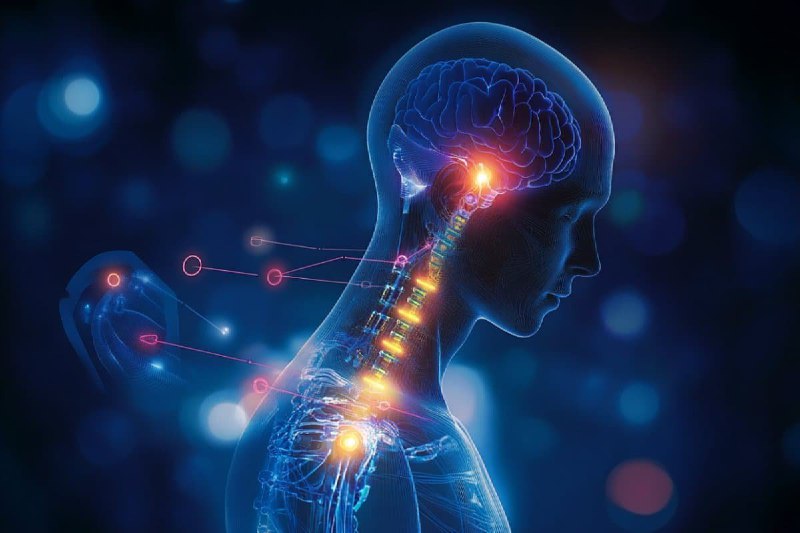
In China, scientists created a living muscle transplant that improved strength, endurance and the function of some body systems in mice. Could such a muscle one day replace the gym for humans?
The researchers grew mature muscle cells and transplanted them into animals under the skin. There, they formed a small working muscle that kept contracting even during sleep. In older mice, the transplant increased muscle mass and improved its function. In animals with obesity, it reduced inflammation and signs of liver damage, and in some experiments it improved cognitive performance.
This technology is still far from replacing exercise: workouts affect the heart, blood vessels, bones and nervous system much more broadly. But for people who cannot move properly because of paralysis, injuries or illness, such a transplant could one day help maintain muscles and partially compensate for their atrophy.