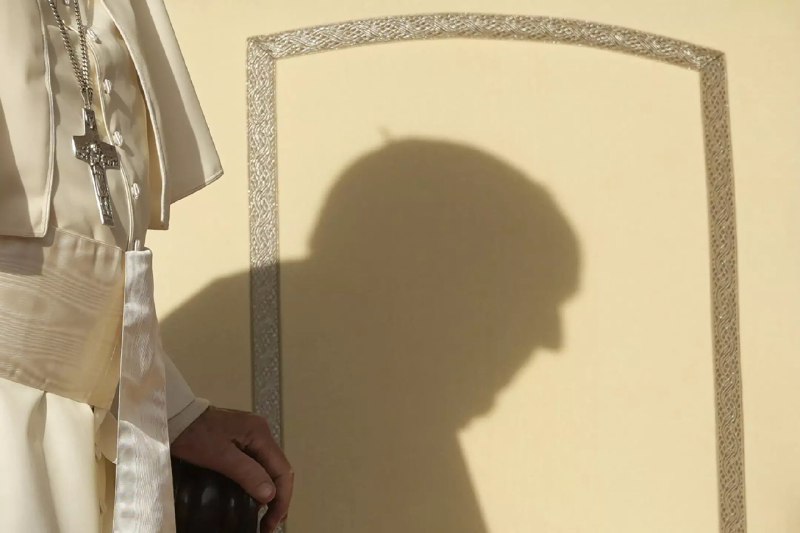
Pope Francis was the first pontiff from Latin America and the first Jesuit to lead the Holy See. From 2013 onward, he became a symbol of change for the Catholic Church and the world. His election in 2013 was unexpected, yet it was he who embodied the idea of a “church for the poor”: he rode buses, wore a simple white cassock, called believers personally, and transformed official addresses into candid conversations.
He said the Church should be a “field hospital” — a place where people receive help immediately, when called by the heart. His approach proved more radical than any declarations: he simply began to live differently and urged the Church to do the same.
He supported environmental initiatives, fought corruption, and made the Church’s finances more transparent. He criticized the building of walls at borders and publicly apologized to the victims of abuse within the Church. Issues previously treated as taboo were finally raised openly: blessings for same-sex unions, recognition of women’s rights, and dialogue with non-believers.
His famous “Who am I to judge?” opened a new chapter in the history of Catholic ethics. Pope Francis taught the Church to speak the language of the 21st century and managed to bring it closer, warmer, and more human—reminding believers that faith is, above all, care, compassion, and the willingness to listen.