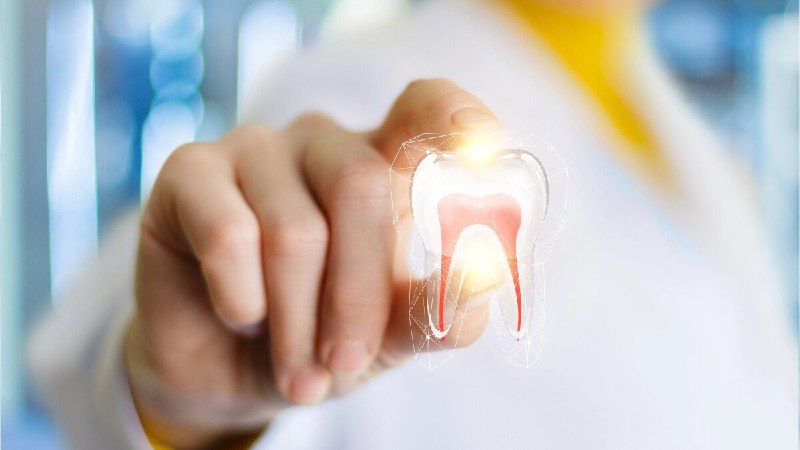
In Tufts University, researchers have developed an artificial tooth that can be implanted without drilling and that integrates with soft tissues, restoring sensitivity. Unlike traditional titanium-ceramic implants, the new prosthesis is covered with a bioresorbable coating containing nanofibers and stem cells. It is designed to be adopted without being embedded into bone, imitating the natural structure of a tooth.
The prosthesis is able to feel pressure, texture, and the temperature of food—like a real tooth. In tests on rodents, it showed full biocompatibility and functionality after six weeks. In the near future, the team plans to begin testing on larger animals, and then—if results are positive—move toward clinical trials in humans.
This approach could change not only dentistry but also orthopedics overall. The fact that an artificial tooth can be not just a replacement, but practically a “native” organ, is presented as a real breakthrough. It is possible that, soon, prosthetics could become not only more convenient, but also a form of [regeneration] (https://t.me/brightward/214).