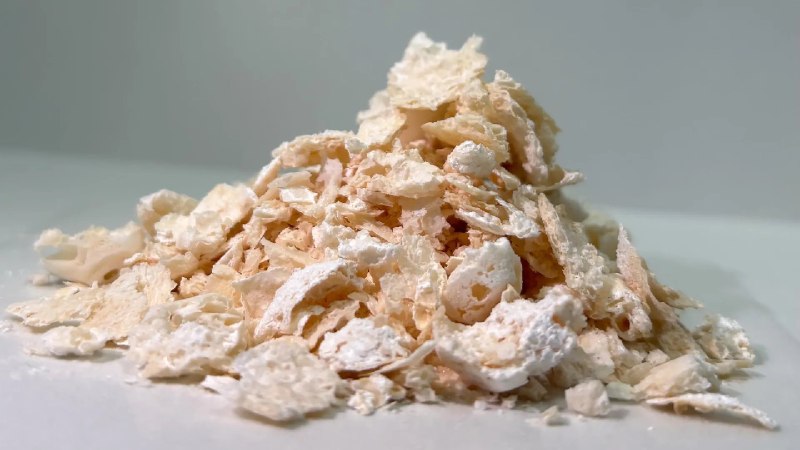
Scientists at Kobe University in Japan have developed a new type of biodegradable plastic — PDCA (pyridine dicarboxylic acid) — that is stronger than conventional PET. The material is made not from oil, but from ordinary glucose with the help of modified E. coli bacteria.
The main breakthrough was increasing PDCA yield by more than seven times without polluting byproducts. The key to the advance was the use of nitrogen-containing reagents, which allow cells to incorporate nitrogen directly into the plastic’s structure, improving its purity and stability.
Modern bioplastics still lag behind PET in strength and stability, so the PDCA developed in Japan looks like a real alternative — eco-friendly, durable, and not inferior to traditional plastic in quality.