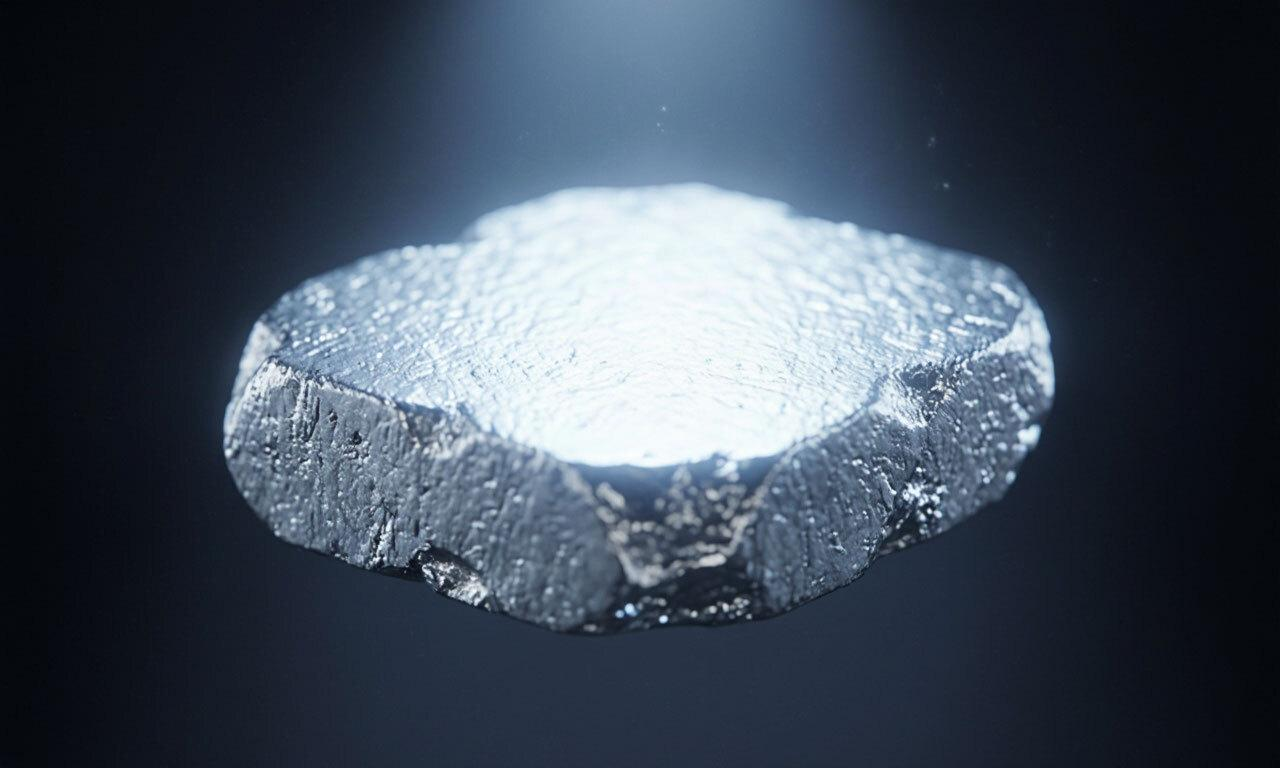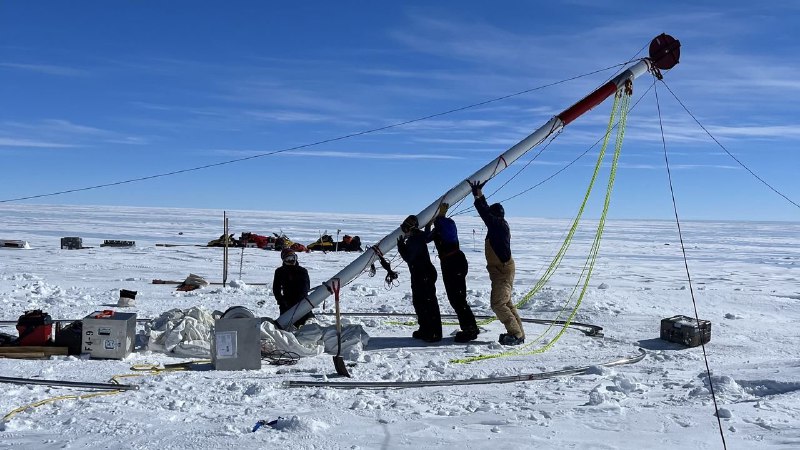
A unique fragment of ice about 6 million years old has been discovered in East Antarctica. It is the oldest ice known to science. The find offers a rare opportunity to look into the Miocene era — a time when Earth was significantly warmer, sea levels were higher, and humans did not yet exist.
The ice contains “preserved” bubbles of ancient air — time capsules holding valuable data about the atmosphere’s composition and the temperature of that period. Analysis of argon and oxygen isotopes made it possible not only to determine the age of the ice, but also to record a steady temperature decline in the region of about 12°C over the past 6 million years. This points to a long-term and stable cooling.
This ancient ice became accessible near the surface thanks to a rare combination of conditions: the region’s geology, wind patterns, and extremely low temperatures slow the movement of glaciers and keep old layers in place.
These data will help scientists better understand how climate changed in the past — without human influence. This is critically important for distinguishing natural processes from those driven by modern activity and for predicting the planet’s future more accurately. The better we know what happened in the past, the more reliably we can forecast the future.