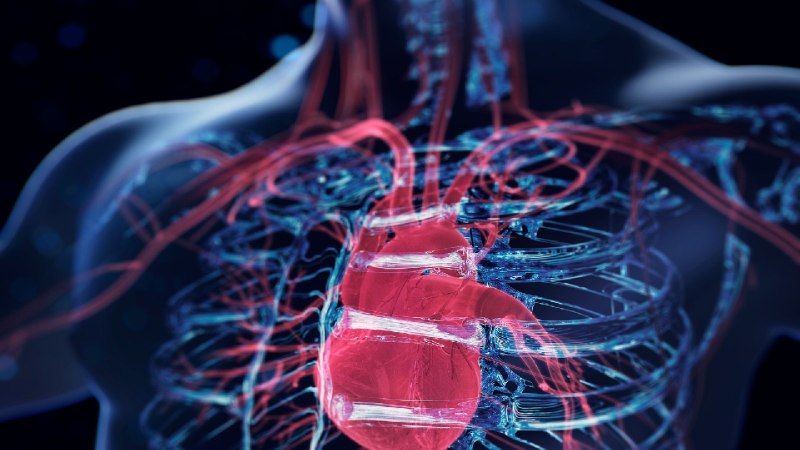
For the first time, evidence has been obtained that the human heart can create new heart muscle cells — cardiomyocytes — after a heart attack. It was previously thought that damaged myocardium practically does not regenerate: dead cells are replaced by scar tissue, which closes the injury but does not contract and does not help the heart pump blood.
Researchers studied samples of heart tissue from patients and found signs of cardiomyocyte division after ischemia, a condition in which part of the heart experiences a lack of blood and oxygen. Such processes were previously discussed more often on the basis of experiments in animals.
At the same time, the discovery does not mean that the heart fully restores itself after a severe heart attack. The authors emphasize that new cells do appear, but they are not enough to replace the large amount of tissue that has died or to restore the organ’s former pumping strength.
The main value of the study lies in the new direction it opens for medicine. Scientists now need to find out how this mechanism is triggered and whether it can be safely enhanced. If that is achieved, approaches to treatment and rehabilitation after a heart attack may change significantly.