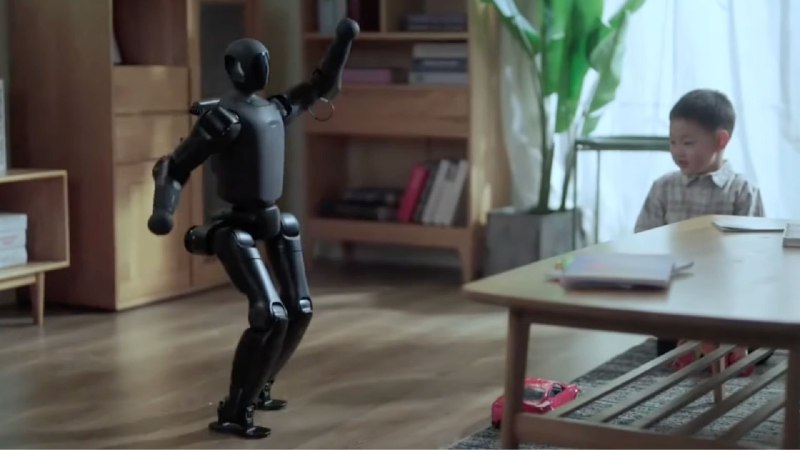
Chinese company PrimeBot has introduced the personal robot Prime Q1, billed as the world’s smallest full-size humanoid robot with force control. It senses resistance and adjusts movement force, making interaction more natural and safer. With a height of 80 cm, the robot is compact and portable.
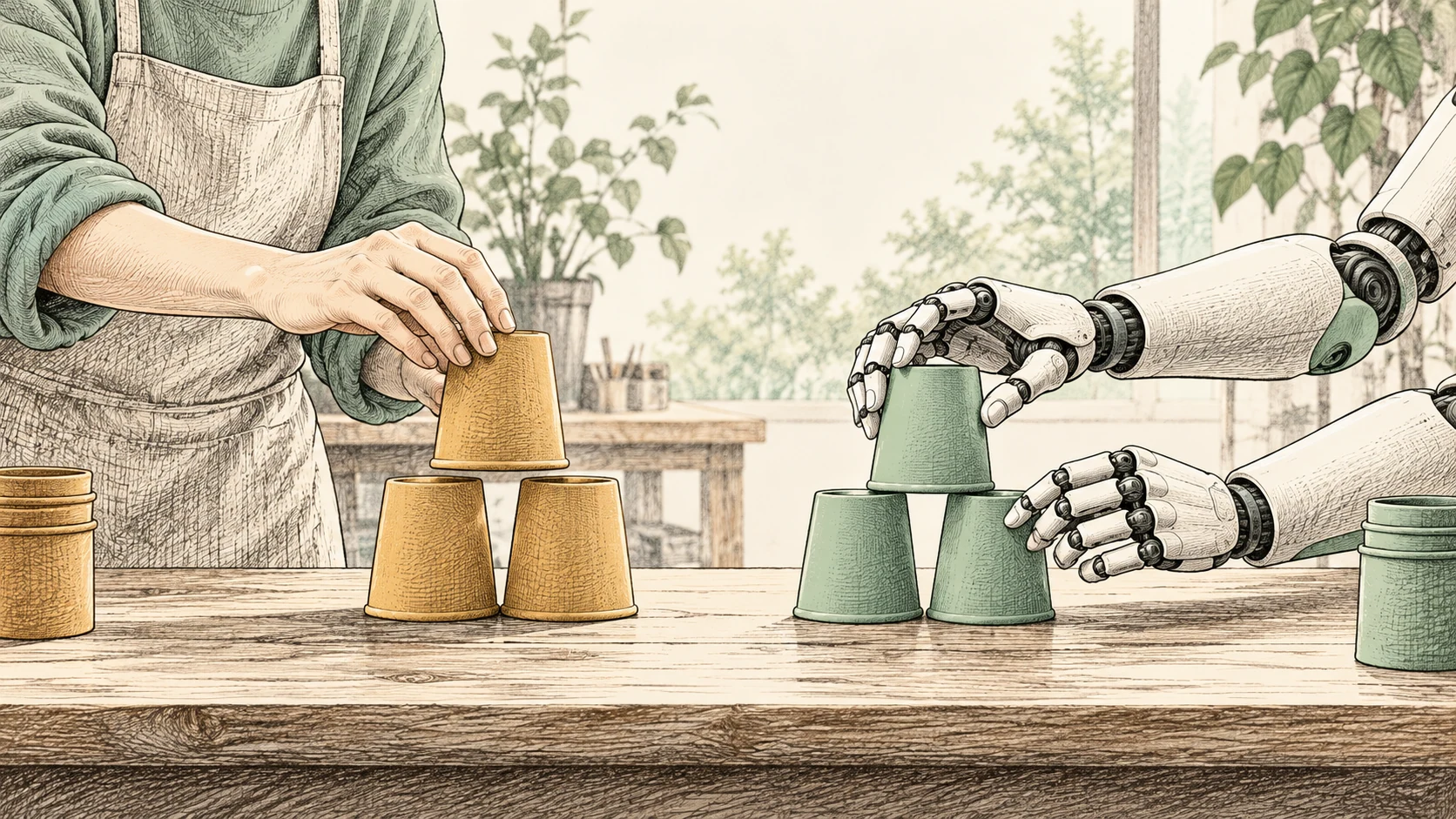
Unlike humanoids that operate according to preset scenarios, Prime focuses on adaptability and is positioned as a long-term partner for life and learning. These robots are built as open platforms. They learn through real interaction with the owner, gradually accumulating experience and adjusting their behavior. This approach is closer to the idea of embodied intelligence: artificial intelligence develops not only in algorithms, but also through physical contact with the world.
Owners can influence the robot’s appearance, “character,” and functionality. A modular design and the option to create shells using 3D printing turn the purchase into a creative process. In practice, the user becomes a co-developer — from the body design to behavioral models.
PrimeBot offers not just a device, but a co-development ecosystem. This marks a shift from the concept of “robot as a tool” to the idea of “robot as a participant in the environment.”