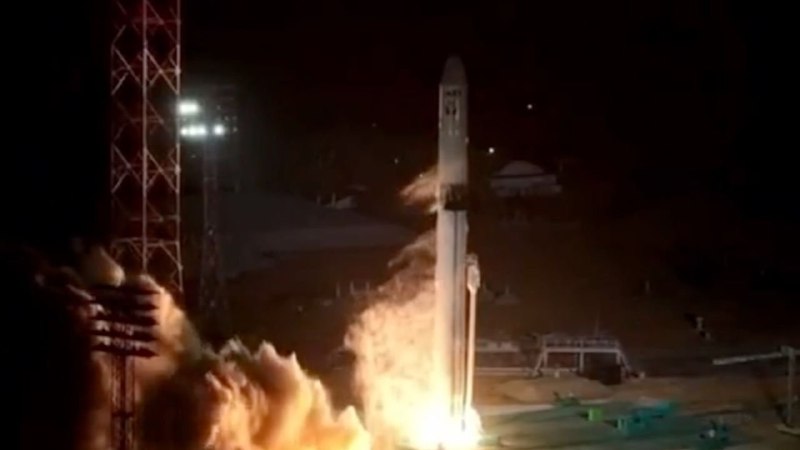
A new Russian Soyuz-5 rocket launched successfully for the first time on April 30 from the Baikonur Cosmodrome in Kazakhstan. The test flight was suborbital: the rocket did not reach orbit, but checked the performance of key systems under real conditions.
According to Roscosmos, the launch went according to plan. The first and second stages performed as calculated. The payload mockup was placed on the planned trajectory, then entered the atmosphere and splashed down in a pre-closed area of the Pacific Ocean.
Soyuz-5 has been under development since 2017 as a new medium-class rocket. It is meant to replace the Zenit launch vehicles. In addition, the rocket is being considered as a base for a future super-heavy launcher.
In terms of performance, Soyuz-5 is capable of sending up to 20 tons of cargo into low Earth orbit. This is close to SpaceX's Falcon 9. The successful first launch confirms the new platform's operability and opens the way for the next tests.