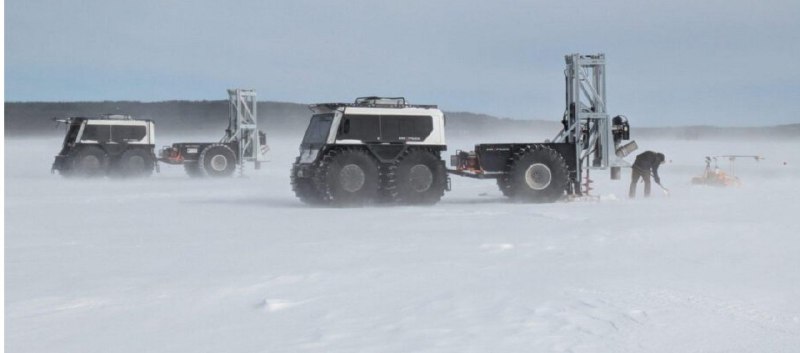
In Canada, a group called Arctic Reflections has launched an unusual project aimed at helping save Arctic ice. The team took inspiration from a Dutch method of creating ice rinks and decided to adapt that experience for large-scale action against the climate crisis. In winter, special pumps are used to pour water over sea ice, where it quickly freezes into an additional layer. After the first field experiments in the subarctic belt, the thickness and strength of the ice became noticeably greater.
Calculations suggest that even a hundred pumps could help preserve tens of thousands of square kilometers of the Arctic ice cover each year. This is described as a recognized scientific breakthrough that points to a new direction in climate adaptation—not for the sake of sensational claims, but to realistically delay dangerous consequences of ice loss.
The project stands out for being relatively accessible and effective, and it also serves as a symbol of how a successful combination of older practices and modern challenges can sometimes produce fresh, constructive solutions to global problems. At times, big tasks can be addressed not only with advanced technologies, but also by taking a new look at familiar methods.