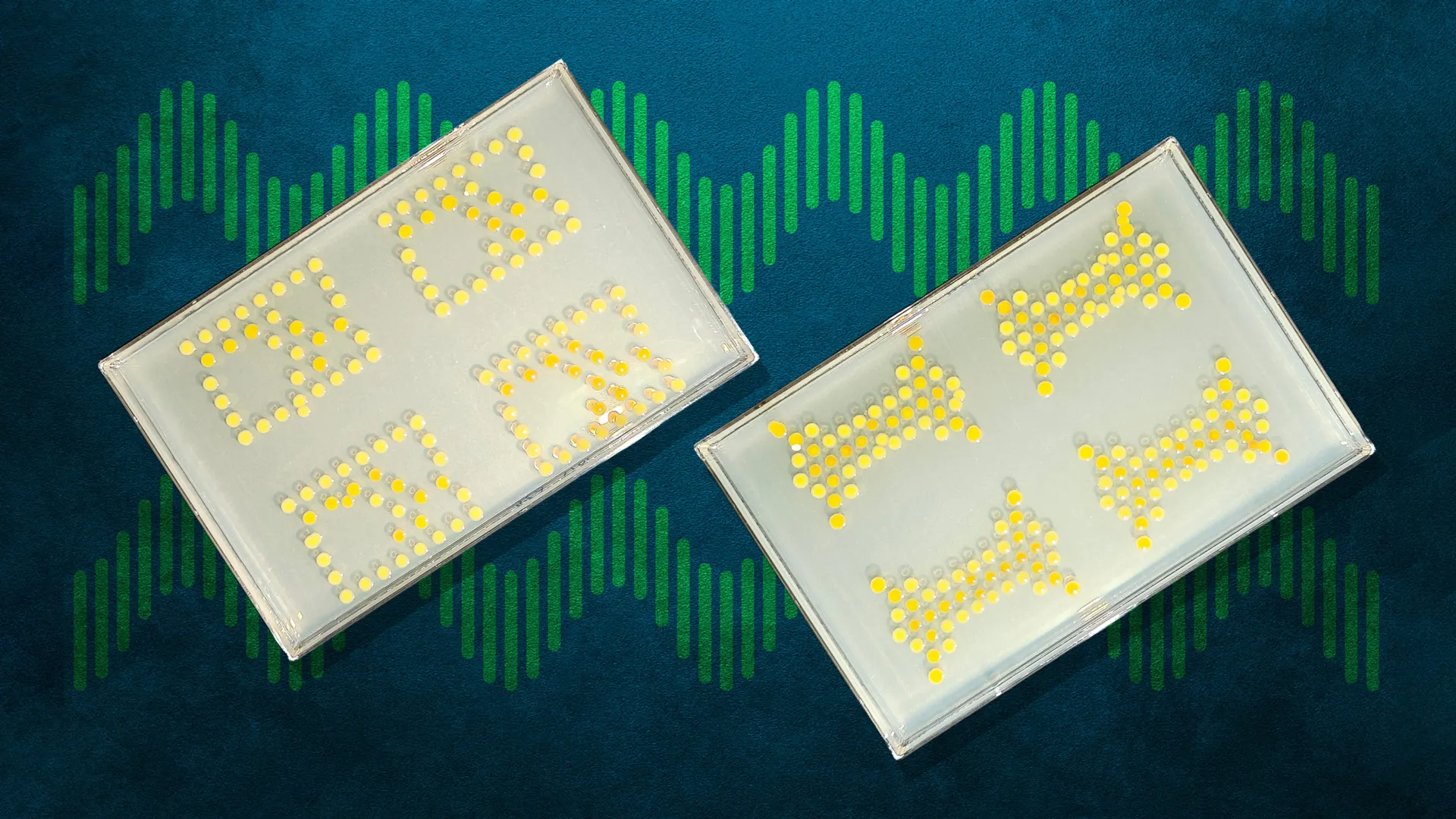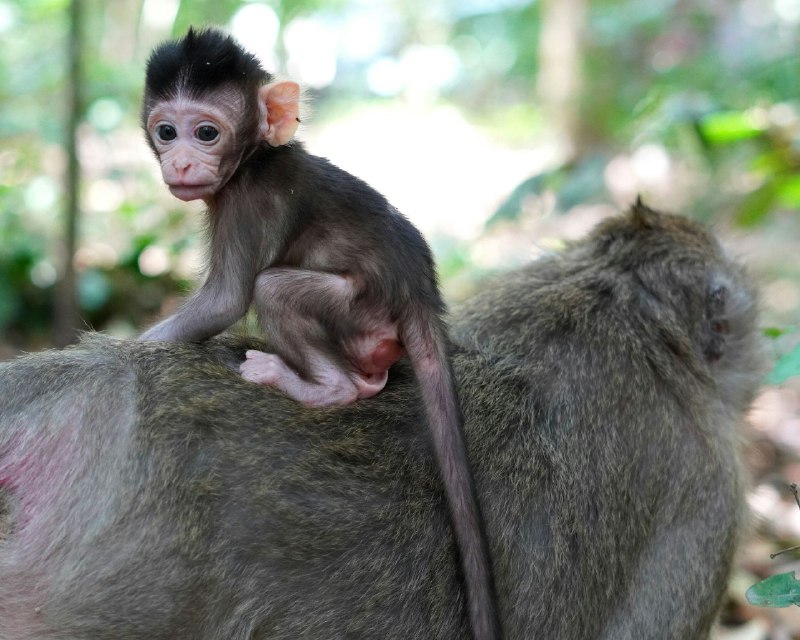
In Japan, researchers created transgenic monkeys for the first time without applying viruses, using the piggyBac method. They introduced piggyBac components together with sperm directly into egg cells of crab-eating macaques. This allowed the new genes to be stably integrated into all tissues of the organism, with subsequent transmission by inheritance.
Previously, viral vectors were used for similar procedures, which could cause unwanted mutations. The piggyBac method makes the process safer by allowing embryos to be selected in advance and by reducing the risk of accidental DNA mutations, which is especially valuable when working with these highly developed animals.
This success is of great importance for genetics: transgenic primates have physiology close to humans and are indispensable for modeling diseases and testing medicines. The piggyBac method opens the way to new standards in medical research, making it not only more effective but also more humane.
If we learned to work with primate genes so carefully, perhaps we can find a way to further reduce their suffering in the future?
Source: Nature
URL: https://www.nature.com/articles/s41467-025-57365-w
Date: 2025-04-29T08:57:57.272Z