Chile has taken an important step in the fight against textile waste. The country’s Ministry of the Environment announced that textiles are now officially included on the list of “priority” waste. This means that clothing importers will have to report every kilogram of goods and ensure that it is recycled or reused.
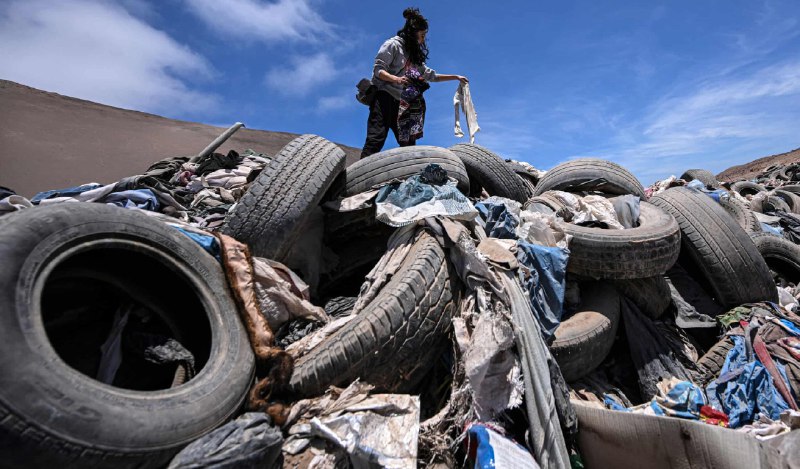
The problem is especially urgent for Chile: the country ranks fourth in the world for imports of second-hand clothing, with about 123,000 tonnes arriving each year. Most items that fail to find buyers end up in the Atacama Desert, turning it into a giant dump. Under the new rules, companies will have to develop repair and recycling services, creating a circular economy system.
Around 92 million tonnes of textile waste are generated every year, and only 18% of it is recycled or reused. The rest becomes mountains of waste that are a source of microplastics and toxins contaminating soil and water. The problem is made worse by fast fashion, a culture of excessive consumption and very low levels of recycling. If new technologies are combined with legislative measures that make companies responsible for their products from production to disposal, clothing may gradually cease to be disposable.