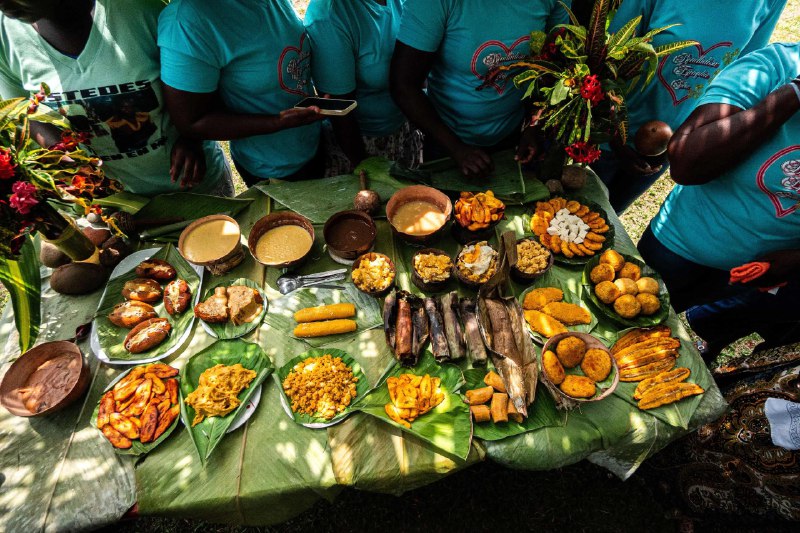
Afro-descendant communities in Latin America have received scientific recognition for their traditional farming methods. Their “food forests” have proved to be one of the most effective ways to preserve nature and fight climate change.
More than half of the territories belonging to Afro communities in Brazil, Colombia, Ecuador and Suriname overlap with some of the most biodiverse areas on the planet. In Ecuador and Colombia, 99% and 92% of Afro lands, respectively, are among the top 5% in terms of natural diversity. Moreover, deforestation on these lands is one-third lower than even in official nature reserves.
The main secret of this resilience lies in age-old agroforestry practices. For centuries, Afro farmers have created complex multi-layered plantings in which cacao, coffee, medicinal herbs and local crops grow together, forming resilient ecosystems. They not only produce harvests, but also restore soils, retain moisture and provide shelter for hundreds of plant and animal species.
Afro communities, once forced to adapt to new conditions after being displaced from Africa, have turned their knowledge of nature into a practice capable of addressing modern climate challenges. Today, universities are studying their experience and including it in agroecology programs, and farms are being proposed for recognition as cultural heritage sites.