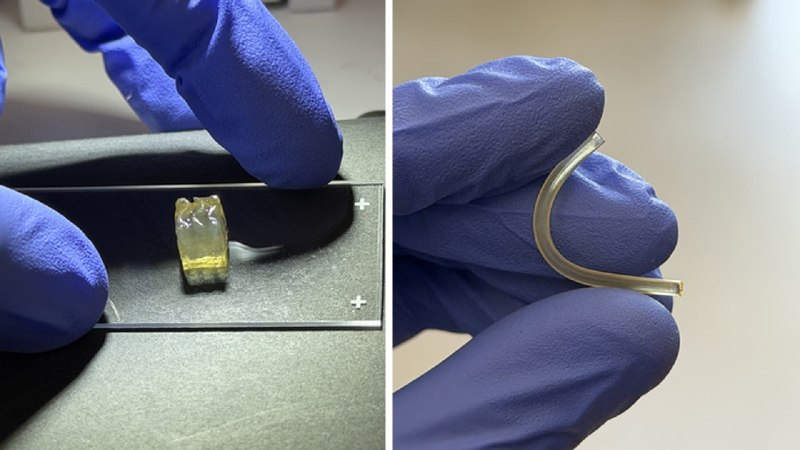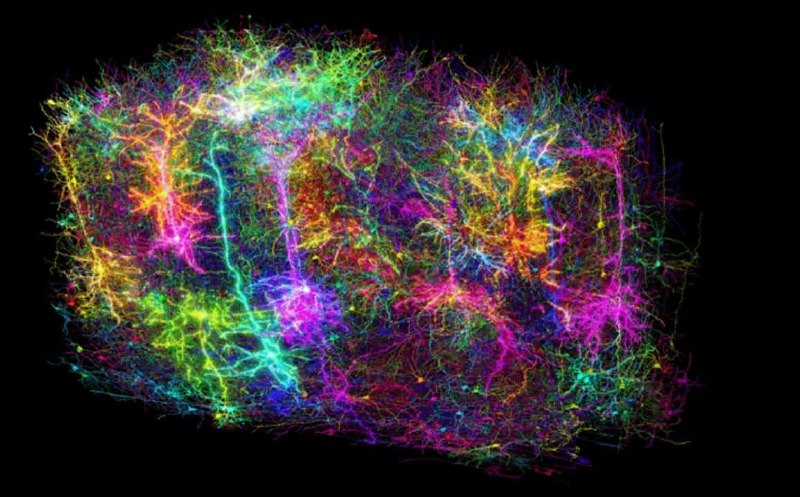
Scientists from China, the United Kingdom, Spain and the United States have observed the initial stages of human embryo implantation outside a woman’s body for the first time in history. To do this, they used a microfluidic chip and organoids — miniature models of the uterus created from endometrial cells.
The experiment made it possible to model a key and most vulnerable stage of IVF: the embryo attaching to the uterine wall. This is an important step in studying the reasons for unsuccessful attempts at conception. More than a thousand approved drugs were also tested on the organoids. One unexpected finding was avobenzone, a component of sunscreens, which in the laboratory model increased the likelihood of embryo attachment from 5% to 25%.
Personalization is the key word in this study. By growing organoids from the cells of a specific woman, doctors will be able to predict in advance the likelihood of successful implantation and choose a more precise treatment strategy.