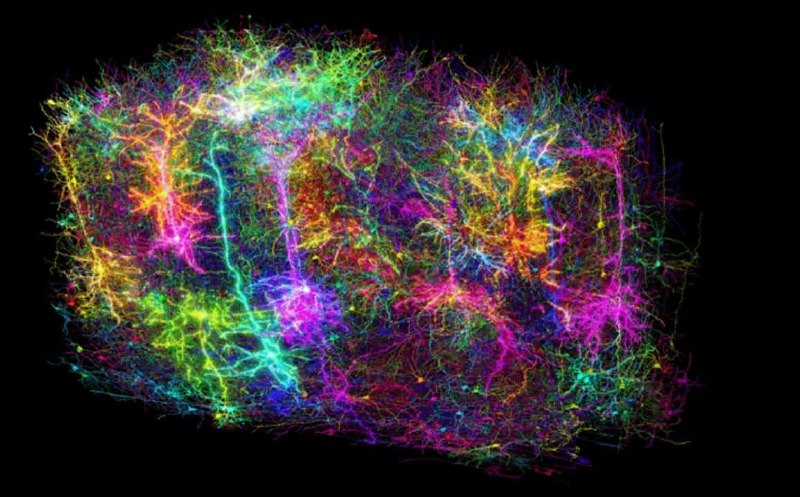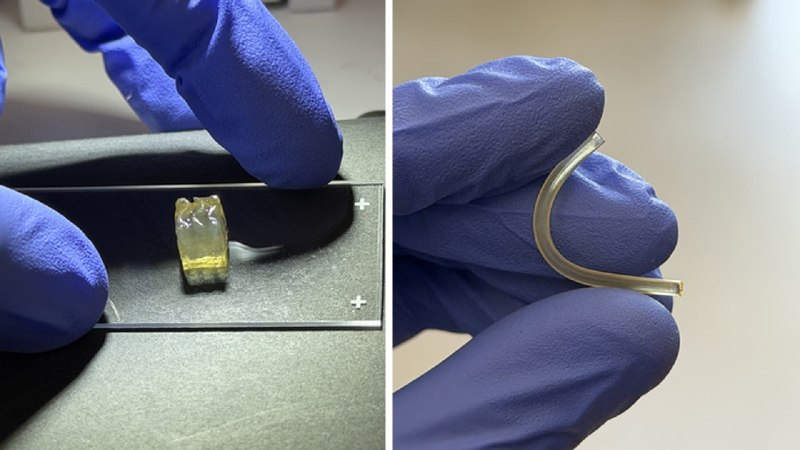
American company Auxilium Biotechnologies has, for the first time, printed human kidney, liver and cartilage tissue aboard the International Space Station using the AMP-1 bioprinter. This is the first confirmed case of bioprinting these human tissues beyond Earth.
The experiment confirmed an important hypothesis: in microgravity, cells are distributed much more evenly within the biomaterial. On Earth, they gradually settle under the force of gravity, which makes it difficult to create tissues with the correct structure.
During one mission, the researchers also produced 28 implants for nerve repair. Scientists are now studying the samples brought back to Earth. If the results are confirmed, space stations could be used to manufacture complex tissues and medical products. Although full organ printing is still far away, this is an important step in the development of regenerative medicine.