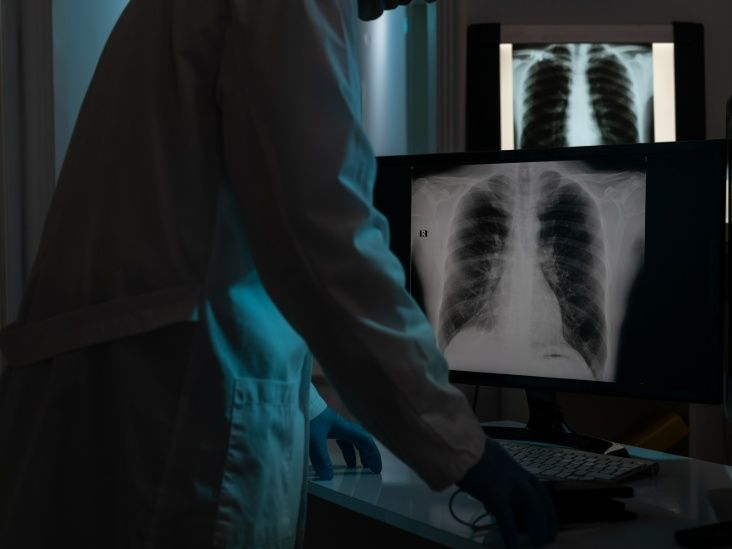
Tuberculosis causes more than a million deaths every year and remains the deadliest infectious disease in the world. Its diagnostic method has changed little since the late 19th century: examining sputum under a microscope. This approach not only misses a significant share of cases, but also works poorly for children, older adults, and vulnerable patients who often cannot provide the required sample.
China’s Pluslife has developed a portable device, the MiniDock MTB, capable of detecting the DNA of the tuberculosis pathogen in both sputum and a tongue swab. The device costs about $300, and each test costs $3–4. The technology is based on molecular analysis and does not require traditional microscopic examination.
The main value of the innovation lies not only in convenience. In many countries, people must visit several medical facilities before they find a place where they can even get tested for tuberculosis. Each week of waiting means the disease continues to progress and infects others. Earlier diagnosis makes it possible to begin treatment sooner, improves the chances of recovery, and helps reduce the spread of infection.
In the earliest stages of the disease, when the number of bacteria is still low, the test may be less effective. It also cannot determine whether the detected tuberculosis is drug-resistant. Still, if the technology is widely adopted, tuberculosis diagnosis could undergo its most significant update in 150 years.