Scientists at the University of Cambridge have found that some types of gut bacteria can remove so-called “forever chemicals” — PFAS — from the body. These substances are widely used in industry, from water-repellent clothing to non-stick coatings.
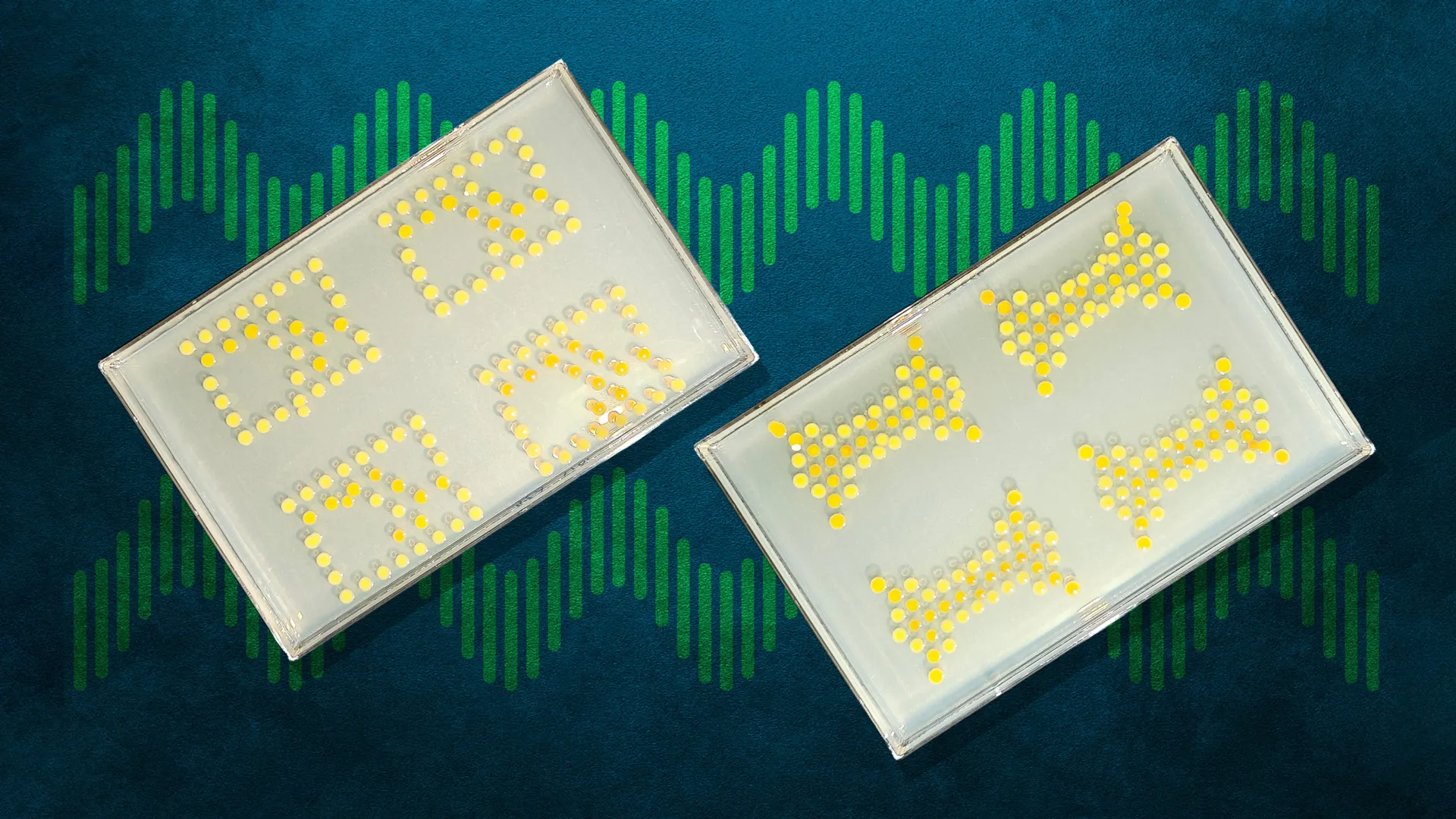
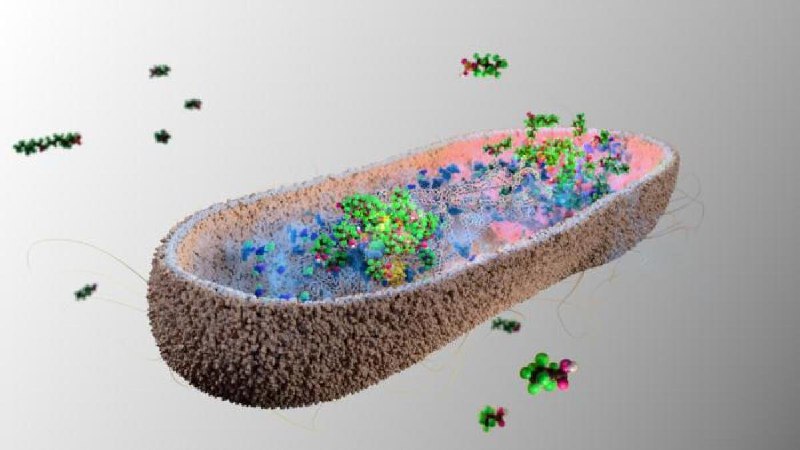
In experiments on mice, nine bacterial species absorbed between 25% and 74% of the PFAS that entered the body and excreted them in feces. The effect remained even as the dose increased. The bacteria themselves were not harmed by the toxicity, instead forming safe clusters of the substance inside their cells.
Until now, the ways to deal with “forever chemicals” inside the body were either blood donation and plasmapheresis, or increased fiber intake, whose effect is quite mild. The new study suggests that bacteria already present in the human body may help protect against PFAS buildup. This opens the possibility of creating a new probiotic. A startup called Cambiotics has already been founded for this purpose. Although the research is still at an early stage, it is the first step toward a practical solution to a problem affecting millions of people worldwide.