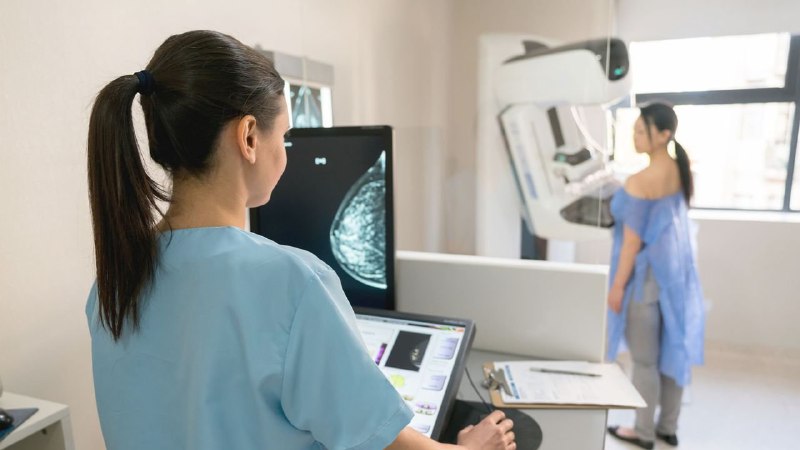
A major international MASAI study conducted in Sweden has shown the effectiveness of artificial intelligence in breast cancer screening. More than 100,000 women aged 40 to 80 took part in the study. Researchers compared the traditional method, in which two radiologists analyze mammogram images, with a new model in which the images are first assessed by an AI system trained on more than 200,000 medical images.
The main goal was to reduce the number of so-called interval cancers — tumors that are not detected during routine mammography and are only diagnosed one or two years later. These forms often grow quickly and are more aggressive.
The results showed that mammography using artificial intelligence detects 29% more clinically significant tumors at an early stage. At the same time, the number of cases in which cancer was found between screenings decreased. The false-positive rate did not increase: patients were not sent for follow-up examinations more often.
Medicine is increasingly using AI to analyze medical images — from X-rays to tomography scans. Researchers note that AI systems can reduce the workload on radiologists and, most importantly, improve the accuracy of early diagnosis.