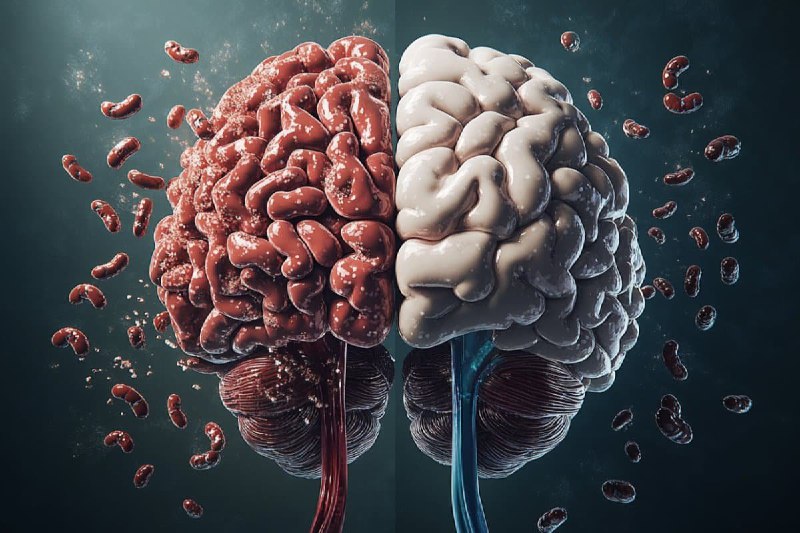
Scientists from the University of Washington discovered that type 2 diabetes, contrary to common assumptions, may be caused not only by excess weight and insulin resistance, but also by the hyperactivity of a specific group of brain neurons.
In experiments, the researchers blocked AgRP neurons located in the hypothalamus in mice with diabetes. This brain region regulates appetite and metabolic processes. As a result, the level of sugar in the animals’ blood normalized and remained stable for several months, with no changes in weight or diet.
The finding calls into question the established idea of an inevitable link between diabetes and lifestyle. Attention is shifting toward the brain and its role in regulating metabolic processes. The study suggests that diabetes may result from disruptions in neural networks. This is especially important for people who do not benefit from traditional measures such as strict diets, weight loss, or medications. If we learn to control this “button” in the brain, millions worldwide could have a chance at a freer, healthier life.