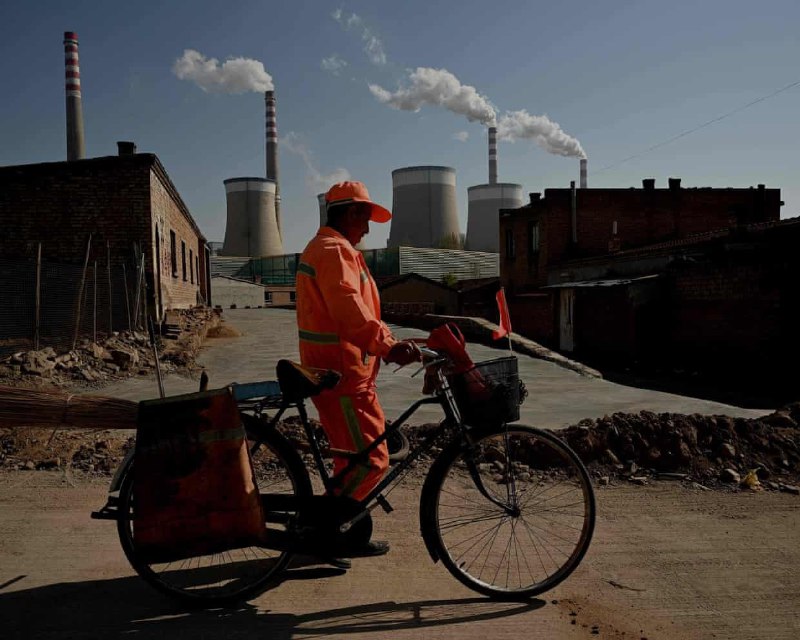
For the first time since 1973, Asia's two largest economies — China and India — simultaneously reduced electricity generation from coal. This can be described as a historic event: such synchronized dynamics were recorded only half a century ago.
For a long time, it was believed that rapid economic growth in Asia inevitably leads to greater use of fossil fuels. However, last year coal-fired generation in China fell by 1.6%, and in India by 3%. This happened despite continued growth in electricity demand.
The key factor was a sharp expansion of clean energy. Over the year, China added more than 300 GW of solar capacity and over 100 GW of wind capacity — an amount far exceeding Russia's entire installed power generation capacity. India added 35 GW of solar, 6 GW of wind and 3.5 GW of hydropower. The additional demand for energy was fully covered by renewable sources, which made it possible to reduce coal use.
Given that in 2015–2024 China and India accounted for more than 90% of the growth in global carbon emissions, a sustained decline in their coal-fired generation could significantly affect global trends in coal consumption and the pace of climate change.