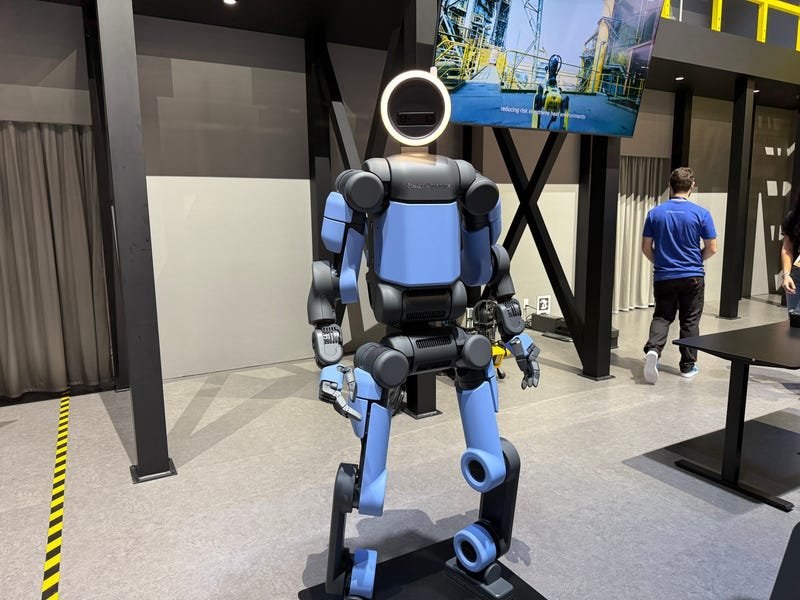
Japan is gradually turning robots from a futuristic symbol into a practical tool for keeping the economy going. Against the backdrop of a steady population decline and a shrinking workforce, the country is placing its bet on so-called “physical AI” — technologies that combine strong hardware with new software solutions. This allows machines not only to analyze data, but also to act in the real world.
The main driver of these changes is demographics. The country’s population has been declining for 14 consecutive years, and the share of working-age citizens has fallen to 59.6%. According to forecasts, Japan could lose up to 15 million workers over the next two decades. This is already directly affecting business: according to surveys, labor shortages have become the main reason for adopting AI and robotization.
In March 2026, the authorities announced a goal of capturing up to 30% of the global physical AI market by 2040. The state is supporting the industry with investments of about $6.3 billion, making robotization a key element of economic resilience. As a result, Japan is forming a rather pragmatic model: robots here do not replace people, but compensate for their shortage. This is not a technological race for prestige, but a systemic response to a long-term challenge.