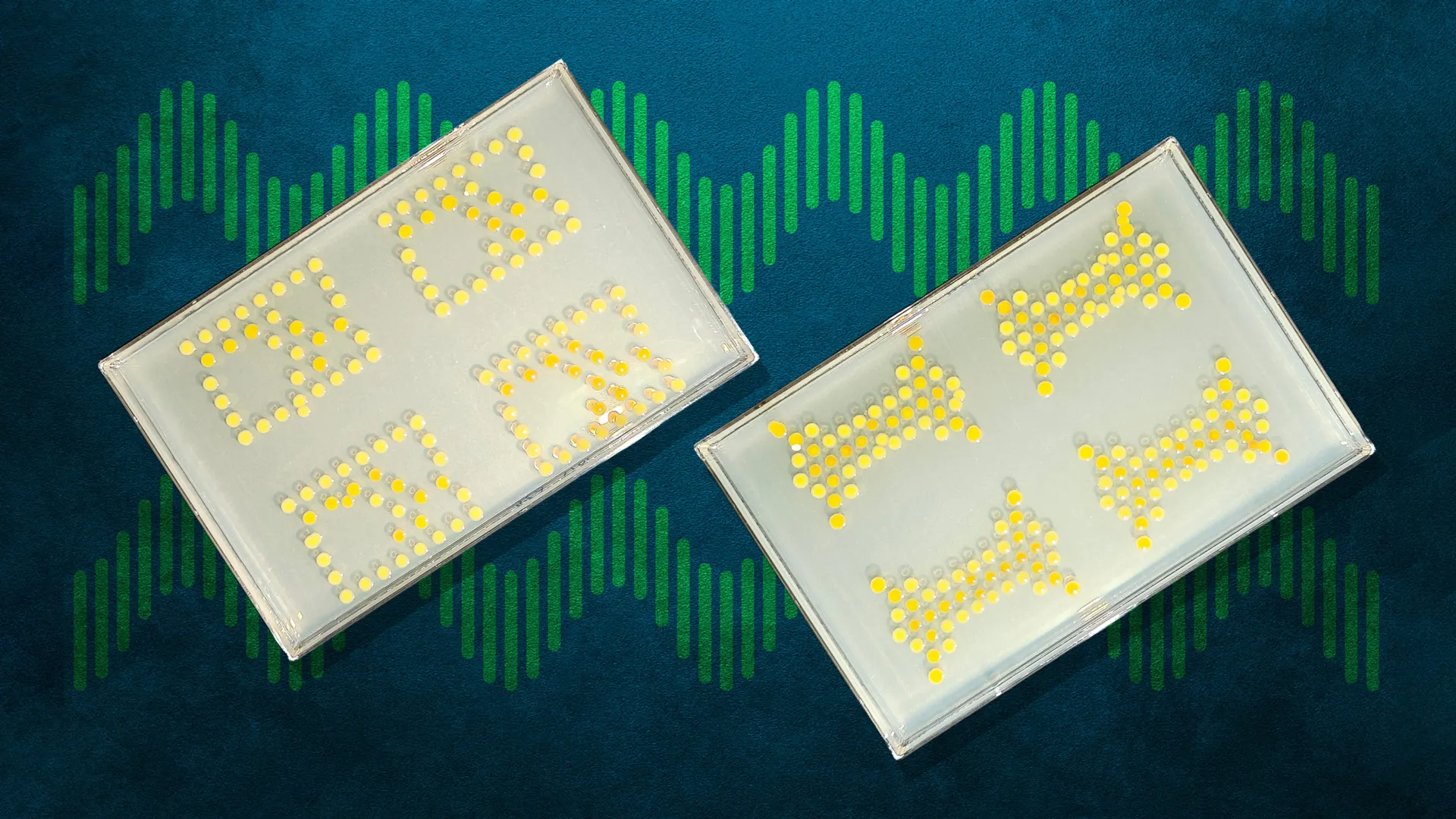
A new wave of personal protection technologies is emerging to defend against drug spiking—when psychoactive substances are mixed into a drink or food without a person’s knowledge, often with the intent to rob, sexually assault, or otherwise harm them. The latest development comes from scientists in South Korea: a tattoo sticker that changes color in a matter of seconds when it contacts GHB. The sticker can be applied to the skin before going to a bar: if there is a drug in the drink, the image changes color.
Similar solutions are being developed by startups in the United States, the United Kingdom, and Australia. These include SipChip (a portable chip), SmartStraw (straws with a reagent), DrinkSafe (coasters with test strips), and NightCap (a drink cover shaped like a hair tie). What they have in common is that they make protection more accessible—without bulky devices, without laboratories, and without needing to ask for help.
In surveys of people who visit bars and parties, one in five reported that they have at least once in their life experienced drug spiking. At the same time, up to 90% of such incidents go unreported, largely due to memory loss, rapid elimination of substances from the body, and the lack of reliable evidence. Together, these factors make drug spiking especially relevant for young people and underline the need for simple, personal self-protection tools.
Source: New Atlas (2025-07-26)